

Minnesota students protest ICE presence
Campus walkouts decry enforcement actions and fear

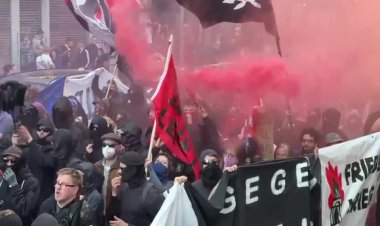
Students at the University of Minnesota Twin Cities staged a walkout and rally to protest the presence of U.S. Immigration and Customs Enforcement on and around campus, saying increased enforcement activity has generated widespread fear across the community. Demonstrators chanted slogans such as “ICE out” and “No hate, no fear, immigrants are welcome here,” and heard speakers describe anxiety so acute that some people avoid leaving home. Organizers said ICE agents had been operating in nearby Cedar-Riverside, and students recounted incidents they described as violent and intimidating.
Those taking part urged abolition of ICE and pledged continued pressure “from the mayor’s office to the White House.” Student organizers described solidarity actions including supply efforts to deliver groceries and winter clothing to people who feel unsafe going outside, informal patrols to report ICE sightings, and coordination with local communities. Several speakers framed the protests as moral and civic duties, saying they would persist until ICE withdrew from Minneapolis and broader reforms were enacted.
The walkouts in the Twin Cities have been part of a wider wave of student and community protests across Minnesota following high-profile confrontations involving federal agents. Thousands of students at the University of Minnesota and area high schools have staged demonstrations, with some districts offering remote learning options or adjusting schedules amid safety concerns and declining attendance. Protesters have emphasized the immediate human impacts—fear, family separation risk and threats to community safety—while demanding accountability and policy change.
Local leaders, civil-rights groups and unions have joined many demonstrations, amplifying calls for transparency and restraint from federal agencies. Students and activists stressed the need for broader societal restructuring to prioritize community care over punitive systems they say harm neighbors and separate families. Environmental and social justice language overlapped in calls to replace what organizers described as violent enforcement with systems focused on mutual aid and protection.