

Iran details damage after deadly protests
Government cites thousands killed and widespread destruction

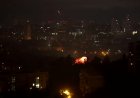
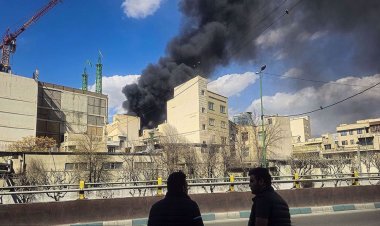
Damaged buses and buildings were seen in the Iranian capital Tehran. Lines of burnt-out buses were parked in a square, and fire damage could be seen in a mosque.
Iran's streets have largely been quiet for a week, authorities and social media posts indicated, since anti-government protests that began in late December were put down in three days of mass violence.
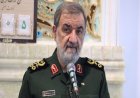
According to Iran’s Security Council statistics provided by the government of the Islamic Republic, the total number of deaths in recent events has been announced as 3,117. This government report categorizes 2,270 of these individuals as martyrs and innocent civilians, while over 200 were members of the military and police forces.
The report from official state institutions also published a list of extensive material damages. According to these figures, 300 private homes and 800 private vehicles belonging to citizens were destroyed. In the public and government sectors, damage was confirmed to 750 banks, 414 government buildings, 350 buses, and 253 bus stations.
The government statistics regarding religious and cultural sites cite the destruction of 350 mosques, 89 religious seminaries, 5 Armenian churches, and 200 schools, along with the loss of tens of thousands of books. Additionally, the figures indicate that 749 police vehicles were damaged during these events.
According to the report, the height of the violence occurred on January 8 and 9, revealing an unprecedented level of brutality.
The council noted that the events began as peaceful protests by merchants and trade groups over economic difficulties, during which President Masoud Pezeshkian personally met with representatives to hear their concerns and instructed the police to exercise maximum restraint.
Iran’s internet shutdown and restrictions continue as authorities maintain near-total control over digital access amid widespread unrest. This shutdown began on January 8 as part of measures to suppress protests and control the flow of information during nationwide demonstrations, and it remains largely in effect more than two weeks later with only minimal signs of easing.