

Protests erupt outside ICE center in Los Angeles
Demonstrators decry immigration raids after fatal shooting

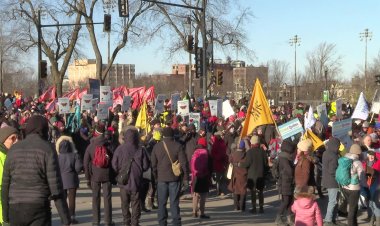
Riot police formed lines with shields as hundreds protested outside the Metropolitan Detention Center in Los Angeles, joining nationwide demonstrations against U.S. Immigration and Customs Enforcement after the fatal shooting of two U.S. citizens by federal immigration agents in Minneapolis. Protesters, including immigrant-rights groups, students, labor activists and families, marched with banners and chants calling for ICE’s abolition, an end to deportations and the withdrawal of federal agents from Minnesota. Speakers recounted detentions and family separations, urged local officials to limit cooperation with federal authorities, and demanded release of detainees and better oversight of detention conditions.
Organizers said the demonstration aimed to apply peaceful pressure through visibility rather than confrontation; police monitored the march and blocked access to key buildings and intersections. While moments of tension and shouting occurred, no major clashes were reported. Demonstrators highlighted fear in immigrant communities, alleging aggressive enforcement practices that deter reporting crimes, accessing healthcare and public services. Parents described children living with constant anxiety; advocates warned of rising barriers to community trust.
The protest followed coordinated actions in cities including Minneapolis and student walkouts nationwide. Activists called for broader immigration reform and safeguards so applicants and detainees are not exposed to deportation risk when seeking help. City officials face pressure to further distance municipal resources from federal immigration enforcement, while federal authorities defended ICE’s focus on those with criminal records or final deportation orders.
Employing legal aid, follow-up rallies and outreach efforts, organizers vowed sustained action. The demonstration underscores sharp divisions over immigration policy and signals continued mobilization in cities with large immigrant populations unless enforcement practices or policies change.