

Robot face learns to lip-sync speech
System watches itself and humans to mimic mouth movements
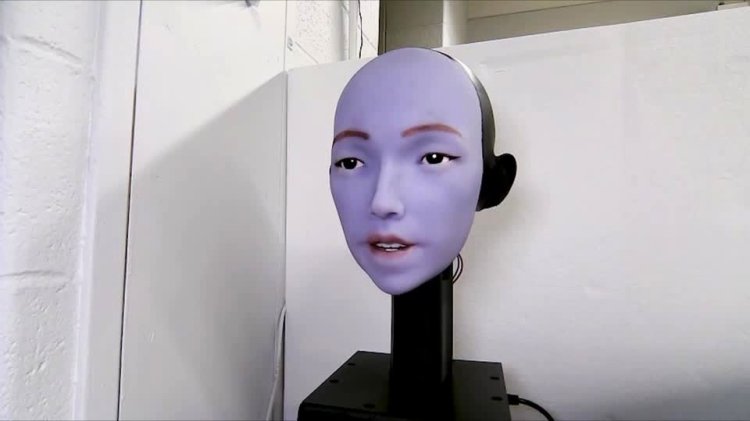
Columbia University engineers developed a robotic face that learns to lip‑sync speech and song by first watching its own motions in a mirror and then studying humans in online videos, using a two‑stage observational learning method reported in Science Robotics.
In stage one, the 26‑motor robotic visage generated thousands of randomized expressions while facing a mirror, building a motor‑to‑face model that maps internal motor commands to observable mouth shapes. In stage two, the system analyzed recordings of people speaking and singing to learn the relationship between human mouth movements and produced sounds. By combining these two learned models, the robot translates incoming audio into coordinated motor commands that produce synchronized lip movement across multiple languages and vocal contexts, without understanding the semantic content.
The team demonstrated the capability with spoken phrases and a sung track from an AI‑generated album. Researchers noted persistent challenges with certain phonemes—plosive consonants such as “B” and rounded sounds like “W”—and anticipate improvements as the system is exposed to more data and varied examples. Training focused on distribution and articulation drills that leverage the robot’s strength in precise lip and jaw placement, while integration work examined how best to time motor actions with audio cues.
Project lead Hod Lipson described the approach as replacing hardcoded facial rules with learned mappings, enabling greater adaptability: the robot first learns how its own motors affect appearance, then mirrors how humans produce sounds, and finally synthesizes these insights to produce realistic mouth motion. The result narrows the visual gap between artificial and human speech, which researchers say is crucial because visual cues strongly influence intelligibility—particularly in noisy environments and for users with hearing difficulties.
Next steps for the team include refining emotional expressiveness so facial motions convey affect and emphasis, improving timing and voice synchronization, and enhancing performance on difficult phonemes.