


Toy-inspired sensor speeds skin treatment
Low-cost device tracks eczema and psoriasis response early
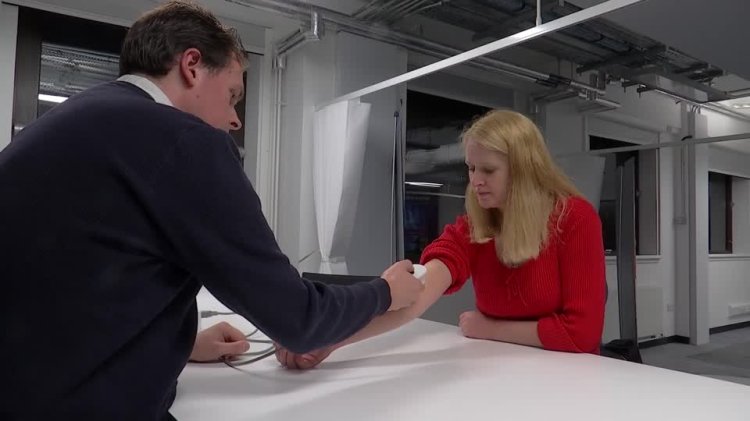
Researchers in Scotland have developed a low-cost skin sensor based on technology from a child's toy that could speed up and improve treatment for eczema and psoriasis. The 3D‑printed device uses a small buzzer to generate gentle vibrations on the skin and four miniature receivers to record how those vibrations pass through different skin layers. Data processing then quantifies short‑term changes in skin structure and hydration, enabling clinicians to assess treatment response far sooner than by visual inspection alone.
Developed at Heriot‑Watt University and spun out as TissueMetrics, the device aims to reduce the prolonged trial‑and‑error cycle patients commonly face. Clinicians typically prescribe topical creams and wait weeks for visible improvement; the new sensor can indicate within one to two weeks whether a therapy is effective, allowing faster adjustments and reducing unnecessary exposure to ineffective treatments. Early tests reportedly distinguished healthy from affected skin and detected improvements soon after treatment began.
The team highlights several practical advantages: the sensor is inexpensive to produce because it uses widely available buzzer and microphone components; it is 3D‑printed and portable; and it performs across all skin tones, addressing limitations of visual assessment that can disadvantage patients with darker skin. Researchers and patient advocates say quicker, data‑driven decisions could substantially shorten patients’ treatment journeys and lessen the burden of chronic inflammatory skin conditions—atopic dermatitis alone affects hundreds of millions globally.
Developers caution that larger clinical trials are still required before broad clinical adoption, but they describe the approach as promising for personalising care, improving outcomes and lowering costs. If validated, the device could be deployed in primary care, pharmacies or even for at‑home monitoring, offering a practical tool to guide therapy choices and accelerate relief for people living with eczema and psoriasis.