

Iran condemns UN sanctions snapback
Tehran recalls envoys and threatens to curb IAEA cooperation
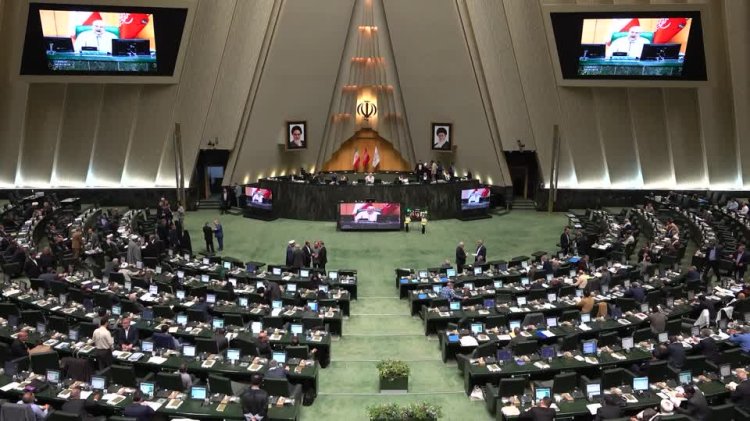
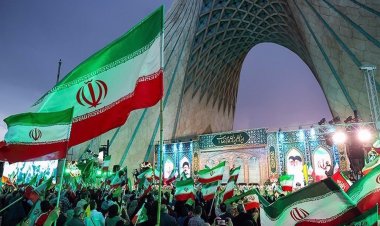
Iran’s parliament escalated its response to the UN Security Council’s reinstatement of sanctions and an arms embargo after Britain, France and Germany invoked the snapback mechanism under Resolution 2231. Lawmakers denounced the measures as “illegal” and Speaker Mohammad Bagher Ghalibaf warned of “reciprocal and serious” responses against any state implementing the resolutions, while Tehran recalled its ambassadors to the three European capitals and threatened to suspend cooperation with the International Atomic Energy Agency.
The restored restrictions reactivate elements of earlier UN resolutions and include bans on arms transfers, limits on uranium enrichment and reprocessing, curbs on ballistic missile- and drone-related activities, targeted asset freezes and travel bans for designated individuals and entities. European states argued the move was necessary after Iran expanded its enriched-uranium stockpile and restricted IAEA access; Russia and China pushed to delay reinstatement but failed to block the action in the Security Council.
Implementation raises complex legal and diplomatic questions. Moscow has called the snapback “illegal,” and Tehran contends no country is obliged to comply. Western diplomats say conditional offers to postpone the measures for talks were rejected for lacking sufficient guarantees. The measures add pressure to an economy already squeezed by long-standing US sanctions and are likely to deepen regional tensions following recent strikes on Iranian nuclear sites attributed to Israel and the United States.
Analysts warn the snapback will complicate diplomacy: sanctions enforcement could fragment international practice if some states decline to recognise the reinstatement, while Iran’s threats to curtail IAEA cooperation would hinder verification work and further erode trust. The dispute may push negotiations into parallel tracks—legal challenges, diplomatic appeals at the UN and bilateral pressure—while raising the risk of confrontational responses from Tehran. International actors will now weigh enforcement options, potential exemptions for humanitarian trade, and the broader implications for non-proliferation efforts and Middle East stability.