

Georgia patriarch Ilia II dies at 93
Longtime church leader shaped national life
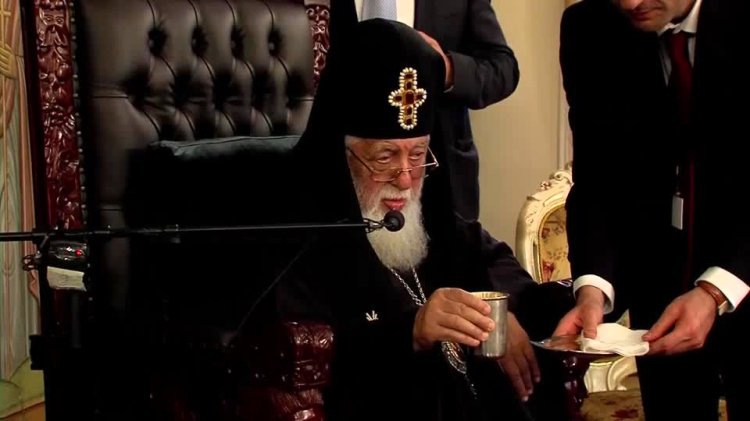
The spiritual leader of the Georgian Orthodox Church for nearly half a century has died at 93 after being hospitalized for massive internal bleeding, senior cleric Metropolitan Shio said. Born Irakli Ghudushauri-Shiolashvili in the North Caucasus and ordained as Ilia after theological studies in Moscow, he rose through church ranks and was elected Catholicos-Patriarch of Georgia in 1977.
Ilia II guided the Church’s recovery from Soviet-era repression, rebuilding its clergy and institutions and helping restore its central place in Georgian life. A 2002 agreement with then-president Eduard Shevardnadze formalized the Church’s special role in education, cultural preservation and tax policy, and the institution became a dominant non-state authority as Georgia navigated post-Soviet nation-building. The Church is widely respected in Georgia—where a large majority identify as Orthodox—even as weekly attendance remains modest.
Throughout his long tenure, Ilia II was a powerful moral and social force, often voicing conservative positions. He opposed abortion and condemned homosexuality, once calling for a ban on a gay rights march that went ahead in 2013 and was met by violent counter-protests involving Orthodox clergy. Critics accused the Church under his leadership of growing close to the Russian Orthodox Church, a sensitive charge in a country still affected by a 2008 conflict with Russia.
The patriarch engaged in regional religious diplomacy during turbulent times. Early in the Russia-Ukraine war he expressed sorrow and called for a ceasefire; in 2023 he urged the leader of Eastern Orthodoxy to reduce tensions amid Kyiv’s moves against a Russian-aligned church body, advocating “mutual rapprochement.” His Easter message that year warned of explosive times and the real threat of nuclear catastrophe, stressing the priceless value of peace.
With his death, Georgia’s Holy Synod—made up of senior bishops—has up to 40 days to elect a successor, closing a chapter for a clerical figure who presided over the Church’s resurgence, exercised major influence on national values and politics, and navigated fraught relations between Western aspirations and ties to Moscow.