

Hormuz traffic halted after strikes
Iran suspends tanker transit, raising fears of oil supply disruption
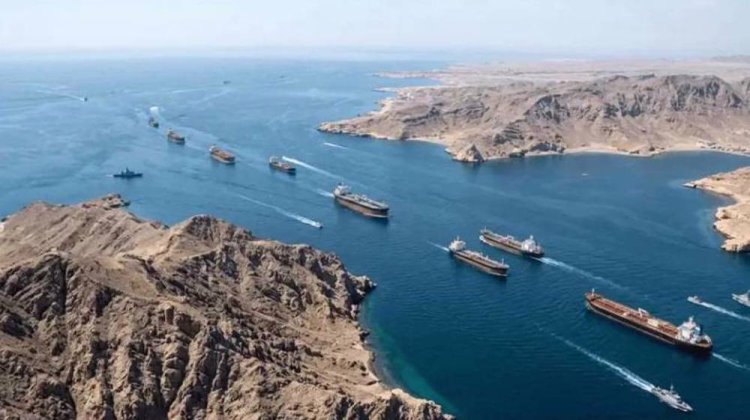
Oil tanker traffic through the Strait of Hormuz was halted after intense Israeli strikes on Lebanon, Iran’s Fars News Agency and military sources reported, amplifying regional tensions and threatening a vital energy route. Earlier, two tankers were allowed to transit under special permission following a US–Iran two‑week ceasefire agreement, but Tehran said the strikes—hitting more than 100 sites across Beirut, the Beqaa Valley and southern Lebanon—violated the truce and prompted the suspension.
Shipping companies reported slowed movements, diversions and vessels anchoring to avoid contested waters as operators assessed risks. Iranian forces said no tankers were transiting at the time of the latest reports and warned that unauthorized passages could face punitive action, raising the prospect of direct confrontations at sea.
The halt risks further volatility in global energy markets already sensitive to Middle East instability. Analysts warned that prolonged disruption through the Strait of Hormuz, a conduit for a significant share of world oil exports, could push up prices and strain international trade.
Diplomatic channels face mounting pressure to prevent a wider escalation. International actors urged de‑escalation and clarity on the strait’s status, while the suspension underscored how quickly localized military actions can disrupt global economic and security dynamics and complicate efforts to sustain the fragile ceasefire.