

Township bakery wins British Airways deal
Women-led business expects jobs boost from export contract
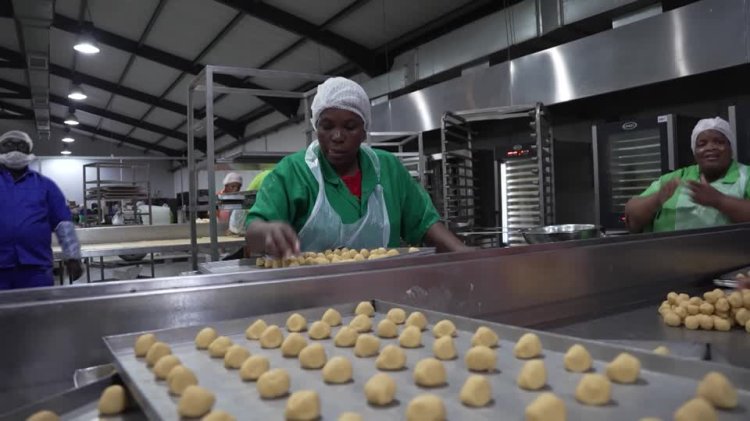
A women-run bakery in Khayelitsha has secured a contract to supply cookies to British Airways after support from the UK Trade Partners Programme and South Africa’s International Trade Centre, a deal that is expected to expand production and create jobs in one of the country’s largest townships. Khayelitsha Cookies began as a community project and now employs about 80 people—mostly women—working a deliberately low‑tech production line where dough is sieved, cut and packed by hand. Managing director Adri Williams says each additional 1,000 cookies produced can create one more job, and the business was founded to give work to women who would otherwise be excluded from formal employment.
The company kept its processes labour‑intensive by design to maximize local employment, resisting mechanisation that could displace workers. Staff describe the bakery as a lifeline: many employees are single parents or carers, and the work enables them to support extended households. A production supervisor said the bakery even allows her son, who has schizophrenia, to work alongside her, providing both income and supervision that would be hard to find elsewhere.
The export contract followed practical support that helped the bakery prepare for international buyers, including attendance at a UK buyers’ conference and follow‑up meetings arranged by the trade programme. Under the UK’s economic partnership with South Africa, many exports can enter Britain tariff‑free, but small firms still need help finding buyers and navigating export costs.
British Airways was reported to have been attracted by both the product and the social impact of the enterprise. The contract is expected to provide a more stable revenue stream, enabling incremental hires and modest scaling while preserving the company’s social mission. On the factory floor the latest order has translated into more trays to fill and more boxes to seal, and Williams described the emotional moment of ringing a bell to signal new employment opportunities for another woman. Observers say the deal could serve as a model for how targeted trade support and corporate procurement can bolster small, women‑led social enterprises in townships, producing wider community benefits in areas with high unemployment.