

France boosts defence spending plan
Catherine Vautrin says the €36bn plan strengthens military readiness
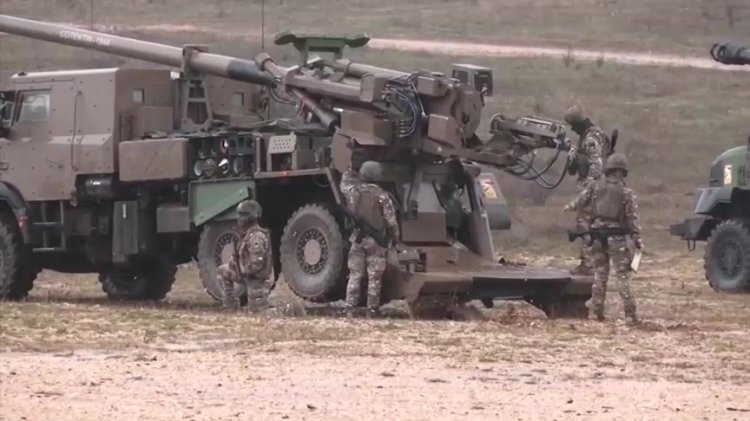
France will add €36 billion to defence spending through 2030 under a revised military programming law, the government announced, expanding its nuclear arsenal and boosting missile, artillery, air-defence and drone stocks. Defence Minister Catherine Vautrin said the increase responds to rising security pressures from the wars in Ukraine and the Middle East and uncertainty over US commitments to NATO. The update would raise defence spending to 2.5% of GDP by 2030, up from about 2% currently, with the annual defence budget projected to reach €76.3 billion that year.
The package keeps nuclear arms spending at roughly 13% of the defence budget and includes plans to increase the number of warheads while pursuing options to allow European partners to host French aircraft on nuclear deterrence missions—a proposal President Emmanuel Macron signalled in March. Paris intends to rebuild depleted stocks with €8.5 billion earmarked for artillery shells, interceptors and long-range missiles, and to invest €1.6 billion to accelerate delivery of next-generation SAMP/T NG air-defence systems and expand counter‑drone capabilities. A further €2 billion will fund drone and robotic warfare, including naval and MALE drone programs aimed at replacing US-made Reaper drones by 2035, and development of undersea robots.
France prioritizes long‑range conventional missiles and cruise‑missile upgrades, studies a new 2,500 km ballistic missile, and will deploy an early‑warning system combining ground radars with a planned European infrared satellite by 2035; it aims to recruit 50,000 reservists by 2030 and deliver ~€26bn in defence orders by 2031
The proposal comes despite one of the eurozone’s largest budget deficits; Paris says it will still target deficit reduction to the EU limit by 2029. Officials frame the move as necessary to address capability shortfalls exposed by recent conflicts and to ensure France can act across domains “from the seabed to outer space.” The draft law now faces parliamentary scrutiny before becoming law.