

Firebombs hit albania pm office protest
Rallies erupt after deputy PM faces corruption charges

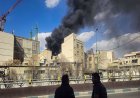
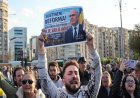
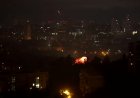
Protesters in Tirana hurled firebombs at the government building housing Prime Minister Edi Rama’s office as demonstrations intensified following corruption charges against Deputy Prime Minister Belinda Balluku. Protesters demanded the government resign after prosecutors accused Balluku, who also oversees the Ministry of Infrastructure, of using state funds to favour certain companies in major roads, bridges and tunnels projects. Videos and eyewitness accounts showed flames thrown toward the building while police in riot gear formed defensive lines but did not forcibly repel the crowd.
The Special Prosecution Office, responsible for fighting corruption and organised crime, has requested that parliament lift Balluku’s immunity to allow for her possible arrest; a parliamentary vote timetable remains unclear despite Rama’s party holding a majority. Balluku has dismissed the allegations in parliament as “mudslinging, insinuations, half-truths and lies,” and said she would cooperate fully with the judiciary.
Protests erupted in Tirana and other cities after prosecutors announced charges against senior figures linked to the ruling establishment, reviving public anger over perceived entrenched graft and political interference in the justice system. Demonstrators, waving national flags and calling for resignations and deeper reforms, accused Rama’s government of failing to tackle corruption despite repeated promises and international pressure. Opposition parties supported the rallies, arguing the indictments validate long-standing claims that corruption reaches the highest levels.
The government rejected claims of interference, framing the investigations as evidence that judicial reforms are working and asserting that no one is above the law. Officials highlighted the Special Anti-Corruption Structure—established under reforms backed by the EU and the United States—as proof of progress, and urged the public to let the courts operate without politicization.
Tensions briefly flared during some gatherings when police erected barriers and detained several people after scuffles, though no serious injuries were reported. Observers say the unrest reflects deep public frustration and mistrust in institutions in one of Europe’s poorest countries, where credible prosecutions and convictions are seen as crucial for EU accession prospects.
Analysts warn the political fallout could escalate if further officials are charged or if high-profile cases stall. For many demonstrators, the movement transcends a single indictment, embodying broader demands for transparent governance, accountability and an end to perceived impunity among Albania’s political elite.