

Congo races to contain Ebola outbreak
W.H.O. backs response as suspected Ebola cases rise in Ituri
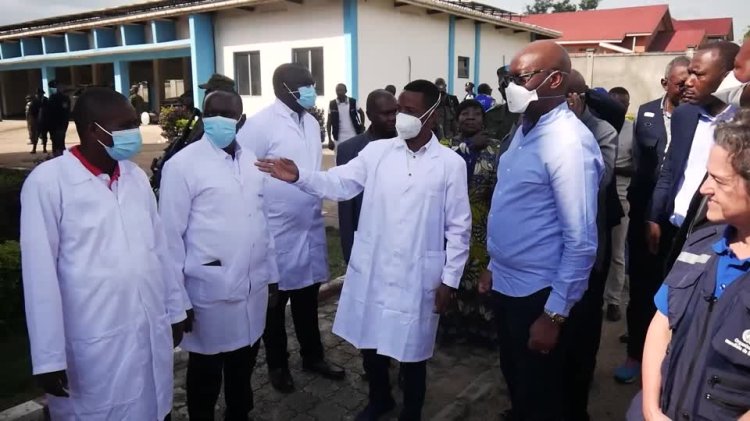
Health authorities in the Democratic Republic of the Congo reported around 246 suspected Ebola cases and at least 80 deaths as emergency response teams intensify efforts to contain an outbreak in Ituri province. Rapid-response units—comprising epidemiologists, medical staff, laboratory specialists and vaccination teams—have been deployed to investigate cases, trace contacts, conduct laboratory testing, and set up treatment centres and isolation units in high-risk communities including Bunia, Rwampara and Mongbwalu. Officials said roughly 59 patients are receiving care while hundreds of suspected cases remain under investigation and samples are being analysed to confirm infections.
Laboratory confirmation identified the Bundibugyo strain of Ebola, a rarer variant for which there is no approved vaccine, complicating the response though targeted vaccination of frontline workers and close contacts is being used where possible. The World Health Organization and international aid agencies have delivered emergency supplies—including personal protective equipment, chlorine and isolation materials—and are providing technical, laboratory and logistical support. Authorities emphasized free treatment and urged residents to report symptoms early, avoid direct contact with the sick or with bodies during funerals, and cooperate with contact-tracing and isolation measures.
Health officials warned that insecurity, population displacement and weak health infrastructure in parts of Ituri could hinder containment by restricting access for humanitarian teams and slowing delivery of medical supplies. Public awareness campaigns are under way to encourage early care-seeking and safe burial practices. Analysts say the outbreak underscores the vulnerability of health systems in conflict-affected eastern regions and compounds existing challenges such as armed violence, displacement and food insecurity, while authorities stressed rapid isolation, surveillance and vaccination remain critical to preventing wider spread.