

Romania sees mass protests over reforms
Rallies target anti-racism bill and austerity

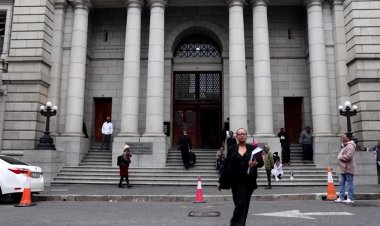
Tens of thousands of people rallied across Romania in one of the largest protest waves in recent months, with around 10,000 demonstrators taking part in two Bucharest marches organized by ultra‑nationalist parties, according to organizers. Protesters converged on parliament and government offices to oppose a proposed anti‑racism law and austerity measures enacted by the grand coalition, voicing anger over rising prices, spending cuts and perceived restrictions on civil liberties.
Organizers and many participants argued the anti‑racism bill—which would extend penalties for hate speech and display of extremist symbols—is vaguely worded and risks being used to silence dissent, criminalize historical debate or curb political expression. The government rejects those claims, saying the legislation aims to protect minorities and align Romania with EU standards and remains open to amendments after parliamentary debate.
Economic grievances were central to the demonstrations. Protesters and trade unions blamed austerity policies for higher taxes, reductions in public spending and shrinking living standards, saying wages and pensions have not kept pace with inflation. Unions warned that workers, pensioners and rural communities bear the brunt of budget cuts and called for alternative measures that preserve social protections.
Large police deployments monitored the events and protected public buildings; authorities reported significant traffic disruptions in Bucharest and other cities but no serious injuries, noting only minor scuffles where officers pushed back attempts to block main roads. Government officials defended fiscal restraint as necessary to stabilize the economy and urged opponents to use institutional channels to seek change.
Analysts said the scale and intensity of the protests reflect mounting public frustration driven by economic strain and waning trust in political institutions. The unrest presents a test for the coalition as opposition parties look to leverage dissatisfaction, highlighting a volatile political environment and growing difficulties for policymakers attempting contested reforms.