

Refugee crisis deepens in Ethiopia
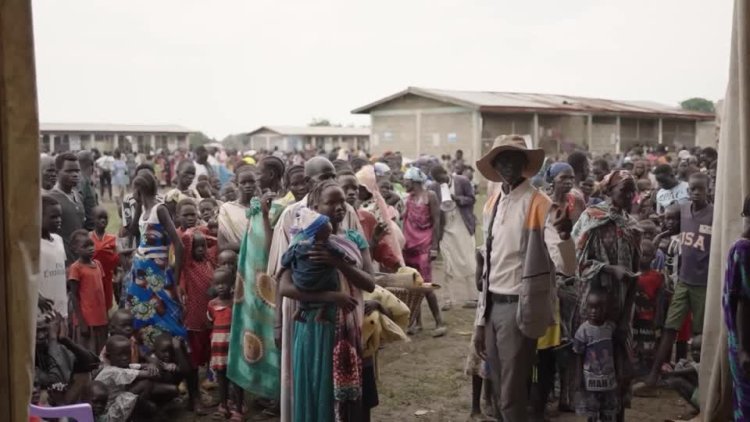
In a remote border town in Ethiopia's Gambella region, Nyandow Wie Deng, a young mother, quietly joined a long queue of exhausted women and children waiting for emergency food aid. This assistance, consisting of high-energy biscuits, has become essential for her family after they fled conflict in South Sudan, leaving behind their home and means of survival. Nyandow recounted the harrowing journey, which took four days, during which she struggled with pregnancy, hunger, and the illness of her children.
An estimated 50,000 South Sudanese asylum seekers have crossed into Ethiopia, escaping escalating violence in Upper Nile State. The World Food Programme (WFP) is urgently working to address their needs, distributing food and screening for malnutrition. WFP officials have announced plans to provide regular monthly food rations to help these families.
Gambella currently hosts nearly 400,000 South Sudanese refugees across several camps, with many being women and children affected by conflict and flooding. However, the humanitarian response is severely strained due to dwindling resources and significant funding gaps, worsened by cuts in U.S. foreign aid earlier in the year.
Health crises are also emerging, with overcrowded camps experiencing rising cholera cases and widespread malnutrition. Médecins Sans Frontières has reported treating over 1,200 cholera patients recently, raising alarms about a potential health catastrophe.
The humanitarian crisis is exacerbated by global donor fatigue and reduced aid funding. The WFP has warned that without immediate large-scale assistance, communities in conflict-affected areas could face famine. The recent freeze of U.S. aid has disrupted essential services, impacting millions reliant on humanitarian support.
The situation remains critical, and without immediate international support, the humanitarian crisis in Ethiopia's refugee camps is likely to worsen.