

Protests hit Greece over budget
Workers and farmers rally against low pay and delayed aid
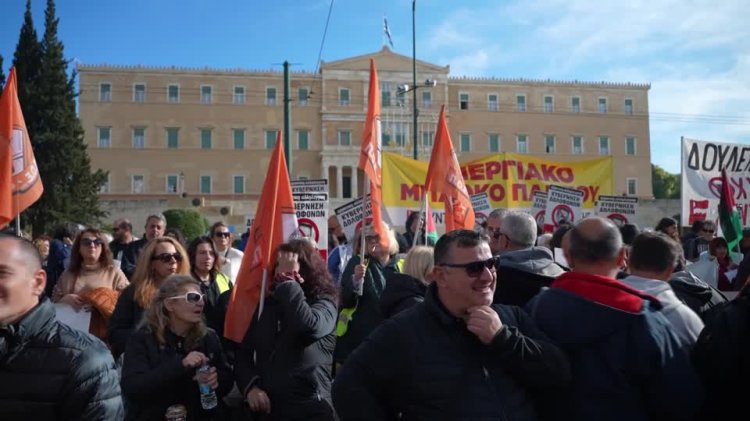
Thousands rallied in central Athens as lawmakers debated the 2026 budget, protesting low wages and expressing solidarity with farmers staging nationwide blockades over delayed farm aid payments. Municipal workers, school teachers and hospital doctors joined strikes, while labor unions, pensioners and student groups marched to Syntagma Square, chanting against austerity-era legacies and demanding stronger social protections as living costs remain high.
Across the country, farmers continued a third week of protests, deploying thousands of tractors and trucks to form dozens of blockades that disrupted major motorways and intermittently impeded border crossings. Their action stems from delayed disbursements of European Union farm aid and other payments, slowed by audits tied to a corruption probe in which some farmers, with help from state employees, falsified land ownership to obtain payouts. The government invited farm leaders to talks, but farmers rejected the offer, pressing instead for immediate payments and reductions in agricultural fuel and power costs. Stock breeders also demanded rapid vaccination after a sheep pox outbreak forced culling of hundreds of thousands of sheep and goats.
The 2026 budget, presented by the centre-right government of Kyriakos Mitsotakis, aims to balance fiscal discipline with targeted tax relief, investment incentives and allocations for health and education while prioritizing debt reduction and infrastructure spending. Officials argue the plan is necessary to maintain credibility with markets and European partners following the 2009–2018 debt crisis and subsequent bailouts, and they point to falling unemployment and renewed investment as signs of progress.
Critics and union leaders counter that wage growth has lagged behind eurozone averages and mounting inflation, leaving households vulnerable amid rising food and housing costs. They say the budget does not sufficiently protect vulnerable groups or reverse austerity-era erosions in pay and public services. Pensioners at the rally warned that fixed incomes have been eroded, while educators and students cautioned that underfunding threatens education quality.
Police mounted large security deployments around parliament, erecting barriers and diverting traffic; the demonstrations were largely peaceful though minor scuffles occurred when small groups attempted to breach cordons. Public transport ran with reduced services due to strike action. Businesses in some sectors, including retail and tourism, warned that continued blockades could disrupt travel and goods movement during the holiday season.
Protesters vowed to maintain pressure after the vote, saying mobilization will intensify unless living standards improve. Analysts say the unrest highlights a central political challenge: consolidating recent economic gains while convincing a population still marked by years of crisis that recovery will deliver broader, more equitable prosperity.