

Protests erupt over Mexico oil spill
Residents demand cleanup and accountability
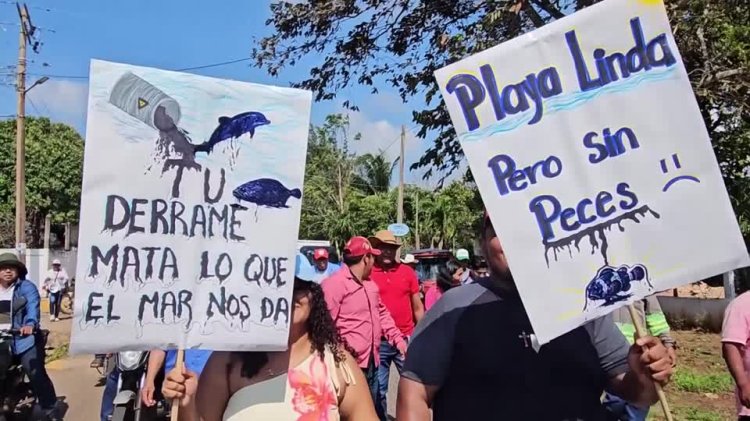
Residents along Mexico’s Gulf coast staged marches to protest an oil spill that has contaminated stretches of Veracruz shoreline for weeks, demanding swifter cleanup, accountability and compensation as fisheries and tourism face mounting damage. Local fishermen, environmental activists and community members said oil has washed ashore across beaches and fishing zones, harming wildlife and threatening livelihoods. Demonstrators criticized what they called a slow and opaque official response and called for stronger safeguards against future offshore incidents.
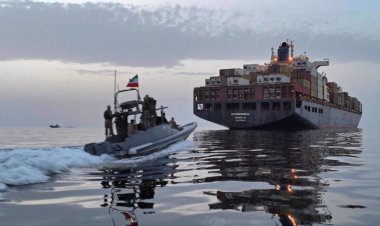
Mexican authorities are probing two potential sources of the pollution: natural seabed seepage and a discharge from an unidentified vessel. The navy’s commander cited satellite imagery showing an offshore slick and said that any one of 13 vessels that passed through the area might be implicated. Civil society organizations, led by Greenpeace Mexico, have challenged the government’s timeline, asserting the spill began in early February near a 36‑inch Pemex pipeline. They released satellite images they say show a hydrocarbon slick expanding to nearly 300 km² by Feb. 19 and noted the arrival on Feb. 7 of Arbol Grande, a vessel that specializes in pipeline repair, as a possible link to the contamination.
Officials reported removing a total of 894.2 metric tonnes of hydrocarbons, including 40.6 tonnes recovered at sea, and said response teams have patrolled more than 630 km of coastline with sea and air operations while deploying 2,000 metres of containment boom. Authorities maintain cleanup and assessment efforts are ongoing, and they have pledged to continue investigations to determine responsibility.
Environmental groups and scientists warned that the ecological and economic consequences could be long lasting, citing risks to biodiversity, fisheries and coastal economies if contamination persists. They called for independent monitoring, transparent disclosure of findings and immediate remediation measures to protect affected communities. The incident has intensified debate over Mexico’s offshore energy practices and regulatory oversight, with activists urging stricter protections and better emergency preparedness. As protests continue, coastal communities pressed for timely restoration, compensation for those whose incomes have been disrupted, and firm action to prevent similar disasters in the future.