

U.S. conducts evacuation drill in Caracas
Osprey exercise in Venezuela sparks political tensions
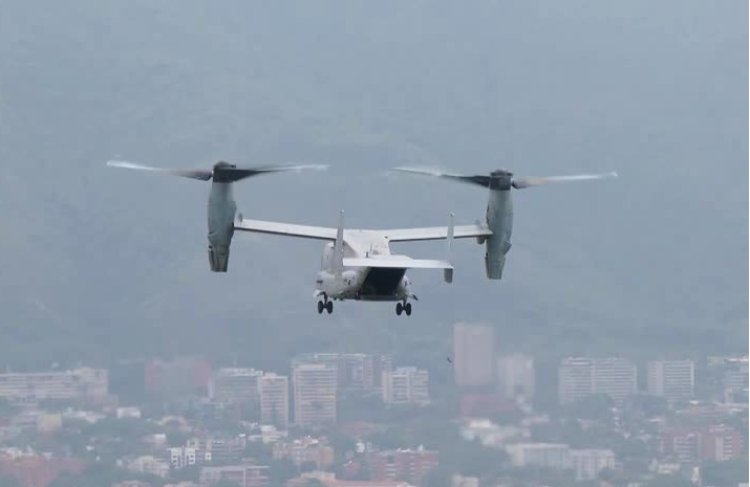
U.S. military personnel, with authorization from Venezuelan authorities, carried out an evacuation drill in Caracas involving two MV-22B Osprey aircraft and supporting vessels that entered Venezuelan waters. The exercise, staged at and around the U.S. embassy compound, simulated rapid airlift and medical or security evacuations and included coordination with embassy staff, emergency responders and aviation regulators. U.S. Southern Command commander General Francis L. Donovan observed the operation during an official visit and held bilateral meetings with senior representatives of Venezuela’s interim government.
Venezuelan officials said the overflights and landings were authorised at the embassy’s request as a preparedness measure for medical emergencies or catastrophic contingencies. U.S. diplomats framed the drill as routine training to maintain evacuation capability for diplomatic missions in higher‑risk settings and said it underlined commitments to regional stability and personnel safety. The exercise included staged medical and security procedures designed to test rapid deployment, aircraft disembarkation and interagency coordination.
The operation prompted protests from Chavismo supporters who opposed visible foreign military activity over the capital, and it drew public attention amid sensitivities over sovereignty and external involvement in Venezuelan affairs. Observers noted the drill occurred against a politically charged backdrop and cited past incidents that have heightened domestic anxieties about foreign military presence. Officials emphasised no immediate security threat prompted the exercise, while analysts warned that even authorised preparedness drills can inflame local tensions.
Statements from the embassy and military underlined the exercise’s focus on contingency readiness and shared security in the hemisphere. Venezuelan authorities and U.S. personnel said coordination had been maintained throughout the operation; investigators and commentators highlighted the event’s dual role as both a technical test of evacuation procedures and a political flashpoint in an environment where foreign actions are closely scrutinised.