

Pope Leo leads first Easter Mass
Pontiff calls for peace amid global conflicts
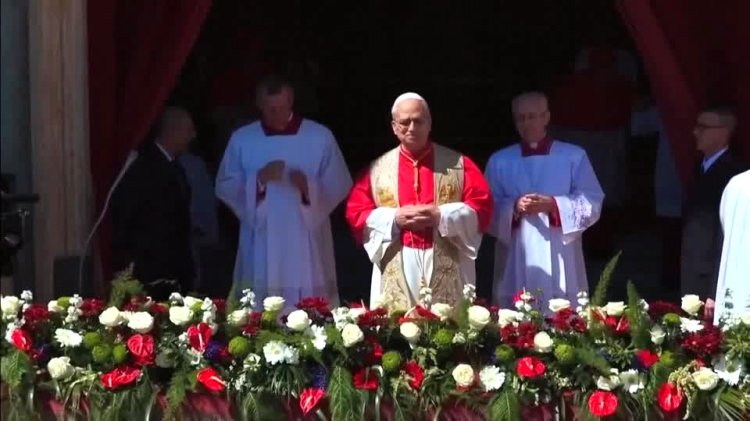
Thousands of faithful filled St. Peter’s Square for Pope Leo’s first Easter Mass as leader of the 1.4-billion-member Catholic Church, where he delivered a message “to the city and the world” urging an end to global conflicts. Speaking from the balcony of St. Peter’s Basilica, the pope framed peace as a moral imperative and appealed to leaders and communities to choose dialogue over violence, stressing solidarity with those suffering from war, displacement and poverty. He has emerged as a vocal critic of the Iran war, and his remarks were widely interpreted as part of that stance, though he did not single out every conflict by name.
Worshippers expressed a mix of joy at seeing the new pontiff and hope that his words might influence international affairs. Bernardo Roblesgil, a Catholic from Texas, described the message as “very appropriate for these times of instability and war.” The pope announced he would return to St. Peter’s Square on April 11 to lead a prayer vigil for peace, reinforcing the diplomatic and pastoral focus of his early papacy.
After delivering the twice-yearly Urbi et Orbi blessing, he greeted the faithful from the popemobile along Rome’s Via della Conciliazione and through the square. The liturgy and public appearances blended traditional ritual with direct appeals for mercy and reconciliation, emphasizing that compassion and encounter are central to overcoming division. Religious leaders and congregations worldwide echoed the call for humanitarian concern and political responsibility, using the Easter message to renew commitments to aid and dialogue.
Observers noted the symbolic power of the ceremonies—the national and global reach of the Urbi et Orbi, the visible presence of pilgrims, and the pope’s promise of further prayer for peace—suggesting both pastoral reassurance for Catholics and a public diplomatic signal. The address highlighted the Church’s role in advocating for the vulnerable and urged collective action to alleviate suffering caused by ongoing crises, positioning the pope’s message as both spiritual consolation and a call for concrete moral leadership in a turbulent international landscape.