

Pearl Harbor remark jars U.S. - Japan talks
Comment unsettles Tokyo as leaders discuss Iran and energy security
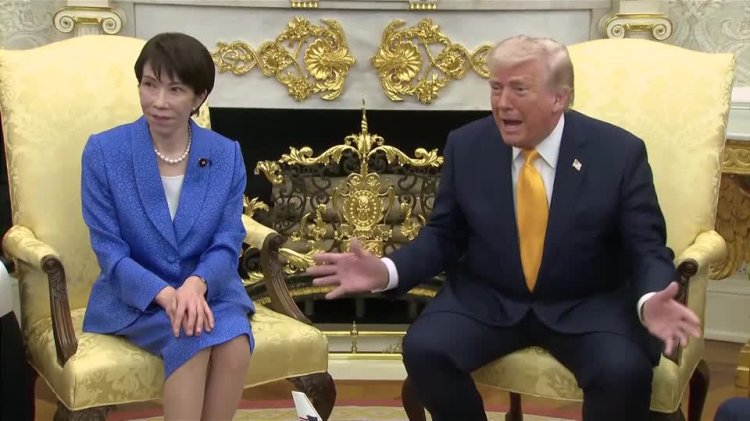
A U.S. president compared recent strikes on Iran to Japan’s surprise attack on Pearl Harbor while hosting Japanese Prime Minister Sanae Takaichi in the Oval Office, drawing an awkward reaction as he defended surprise in military operations and quipped about Pearl Harbor during a journalists’ exchange. The comment referenced the 1941 attack that killed thousands of Americans and prompted the U.S. entry into World War II, and it briefly unsettled the Japanese leader at the joint appearance.
Takaichi condemned Iran’s attacks in the Strait of Hormuz and warned of looming damage to the global economy from Middle East turmoil, while telling the U.S. president that he alone could achieve peace. The leaders’ talks centered on escalating tensions with Iran and risks to vital oil shipments through the Strait of Hormuz, a key artery for Japan’s energy imports.
Washington urged Tokyo to take on a larger role in securing maritime routes; Prime Minister Takaichi resisted any immediate commitment to deploy forces, citing Japan’s pacifist constitution and legal limits on overseas military action. Instead, both sides discussed strengthening non-military cooperation: increasing strategic oil stockpiles, deepening collaboration on critical minerals and rare earth supply chains, and bolstering economic resilience to reduce dependency on China.
The meeting underscored the durability of the U.S.–Japan alliance amid rising geopolitical pressures, but also highlighted differences in approach—particularly Japan’s cautious posture on military engagement versus U.S. calls for more active contributions to regional security. Observers noted that tensions with Iran and worries about energy security are accelerating efforts to diversify supply chains and fortify economic ties, even as diplomatic sensitivities from historical memory and constitutional constraints shape Tokyo’s responses.
No major new security commitments were announced; officials framed the discussions as a mix of deterrence messaging and contingency planning, with further coordination expected on energy backups, maritime domain awareness, and supply-chain cooperation. The exchange’s tense moment and contrasting public stances reflected the balancing act Tokyo faces: supporting an allied partner’s security objectives while adhering to domestic legal limits and preserving a steadfast commitment to peace and anti-nuclear principles.