

NATO drills test rapid deployment
Alliance tests readiness in Germany exercise
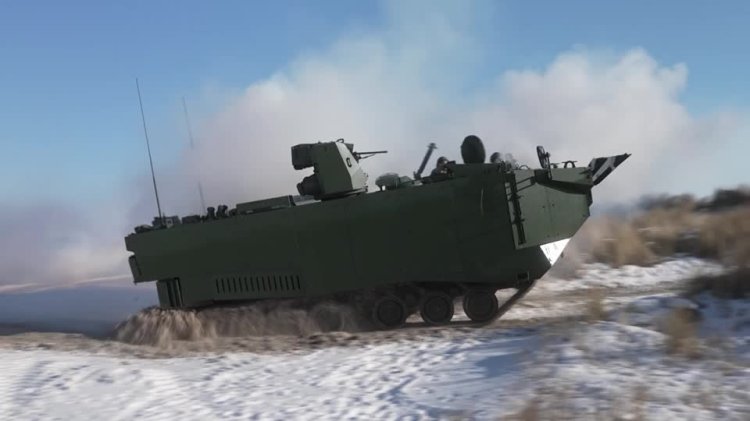
NATO is conducting its STEADFAST DART 26 exercise in Germany to test rapid deployment and the operational readiness of the Allied Reaction Force, with troops, aircraft and armored units from multiple member states taking part. Training at sites including the German military facility in Putlos has featured amphibious landing drills, armored maneuvers, air support sorties, engineers practicing bridge‑building and mobility tasks, live‑fire sequences, command‑post simulations and cyber‑defense exercises to assess command structures, logistics and resilient communications.
The drill simulates a collective‑defense (Article 5) scenario to evaluate interoperability across land, air and support elements, focusing on rapid reaction forces capable of deploying from Western Europe to frontline areas. NATO officials describe the exercise as defensive and routine but note it occurs amid elevated security concerns in the Baltic region — including alleged Russian hybrid threats, damage to undersea infrastructure attributed to a shadow fleet, drone overflights and increased military activity — which have sharpened the alliance’s emphasis on readiness.
Germany is hosting major segments of the exercise and serving as a logistical hub; participating forces are testing new equipment and modernization efforts such as upgraded armored vehicles and air‑defense systems. Planners are evaluating multinational coordination on intelligence sharing, standardized procedures, language interoperability and sustainment over extended operations. Cyber and electronic‑resilience components aim to harden command networks against interference.
Local authorities have coordinated road closures and safety measures to reduce civilian disruption while preserving operational realism. Defense analysts say STEADFAST DART 26 reinforces alliance unity and deterrence by demonstrating capability and cohesion, with lessons from the drill expected to inform future force planning and capability development. Units will rotate through scenarios culminating in a coordinated demonstration of joint operational effectiveness, underscoring NATO’s focus on mobility, preparedness and multinational cooperation amid evolving geopolitical tensions.