

Gazans search rubble for missing
Families and rescuers recover bodies amid severe shortages and ongoing devastation
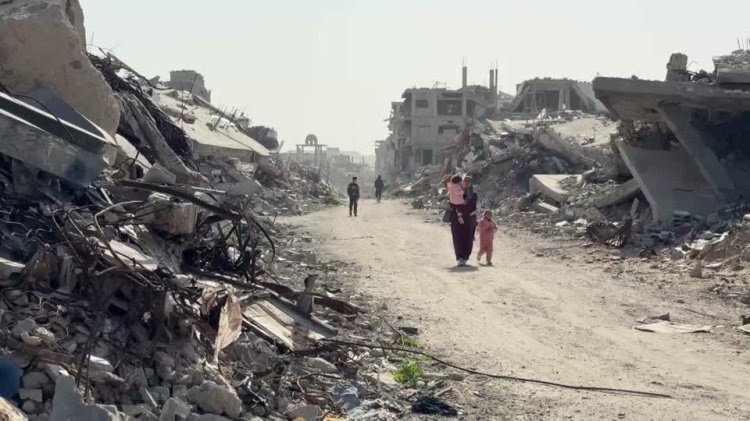
Gazans are continuing the search for bodies trapped beneath collapsed buildings more than two years into the conflict, as families and civil defense teams comb through rubble left by repeated Israeli airstrikes and ground operations. In neighborhoods reduced to vast fields of debris, residents use shovels, metal rods and heavy machinery where available to locate remains of missing relatives.
Survivors described the instant devastation and the search for missing kin amid derelict concrete and personal belongings. One survivor recounted being pulled through an opening by rescuers and finding many relatives killed; others spoke of finding a child’s toy among the wreckage and clinging to hope of recovering loved ones. Gaza Civil Defense reported incremental progress — recovering 14 bodies from the site in one recent period — and said teams planned extended shifts to continue recovery and ensure dignified burials.
Rescue operations across Gaza face severe constraints: limited heavy machinery, scarce fuel, shortages of forensic capacity and risks from unexploded ordnance. These shortages force reliance on manual digging with shovels and rods, slowing identification and prolonging trauma for families who rotate between sites searching for missing relatives. Hospitals and morgues are overwhelmed, and DNA testing backlogs delay confirmations.
Gaza authorities and humanitarian groups say Israeli bombardment over two years left entire neighborhoods flattened, concealing thousands of presumed dead beneath debris. Israeli officials frame strikes as targeting militant infrastructure; Gaza responders and rights organizations stress the civilian toll and call for safer access and more equipment to speed recoveries and enable proper burials. Civil defense and police continue systematic searches and occasional public farewells as bodies are recovered.
The ongoing work to extract and identify remains underscores the enduring human cost of the conflict: communities coping with loss, trauma and displacement while persistently seeking closure. Each recovered body brings both grief and a measure of closure for families; many others remain missing, leaving relatives in prolonged uncertainty as search teams press on despite limited resources.