

Millions rally in U.S. ‘No Kings’ protests
Demonstrators decry Trump’s rule and demand democracy safeguards

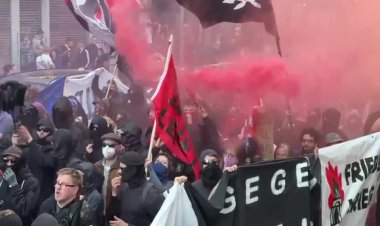
Millions of people rallied across the United States in “No Kings” demonstrations protesting what participants called authoritarianism and corruption under President Donald Trump. Organizers reported events in more than 2,600 locations, with large, diverse crowds in major cities and smaller gatherings in towns and suburbs. Many marches had a festive atmosphere—costumes, inflatables and balloons—yet remained largely peaceful, with limited reports of violence or arrests.
Protesters voiced concern over moves they see as concentrating executive power, citing prosecutions of perceived political opponents, expanded use of the National Guard, immigration crackdowns and the placement of loyalists in government posts. Demands included stronger voting-rights protections, limits on presidential authority, and accountability in immigration and law enforcement policy. Demonstrators ranged from longtime party activists to veterans, families with children and people who described themselves as former Republicans, reflecting broad unease across demographic groups.
Major gatherings filled iconic locations: Times Square and streets across New York City; marches toward the U.S. Capitol in Washington; large turnouts in Chicago, Los Angeles, Seattle, San Diego, Boston, Philadelphia, Atlanta, Denver, Houston and Portland. Officials in New York reported over 100,000 participants across its boroughs, and organizers said nationwide numbers reached into the millions. Some analysts and event planners described the day as one of the largest protest mobilizations in recent U.S. history.
The rallies prompted sharply partisan reactions. Democratic leaders and progressive figures publicly supported the movement, while Republican officials condemned the demonstrations—some branding them “un-American” or alleging ties to extremist groups. Several governors placed National Guard units on standby; visible troop deployments at protests were limited. The White House dismissed the characterization of the president as monarchical, with the president contesting comparisons to a king.
Although most events were orderly, isolated clashes and incidents were reported in a few locations, including arrests and a hit-and-run that struck marchers in one city. Organizers linked this wave of protests to earlier “No Kings” actions and framed the day as an ongoing effort to defend democratic norms and influence upcoming election cycles, notably the 2026 midterms and the 2028 presidential contest.