

Uganda group turns waste into compost
Kamwokya project promotes low-cost toilets and urban farming
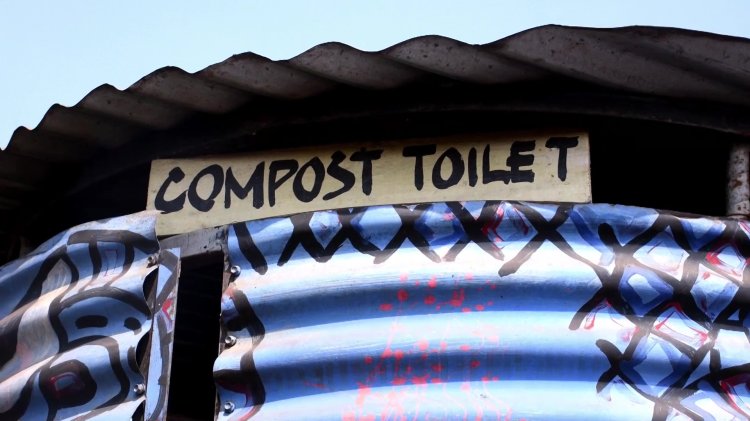
Members of Give Love Uganda, a community non-profit in Kamwokya, are converting human waste into compost to tackle severe sanitation gaps in the densely populated Kampala neighbourhood. With most homes lacking toilets and only about 8 percent of the city’s 4.5 million residents connected to a functional sewer system, the group has introduced low-cost compost toilets: wooden boxes fitted with buckets and sawdust to neutralize odours. Buckets are collected and replaced weekly, then composted for up to six months before being applied to agricultural plots.
This effort is part of a wider movement across Uganda in which community projects mix human waste with organic refuse and dry cover materials such as sawdust or dry grass, running the mixture through controlled composting processes that reduce pathogens and yield nutrient-rich “humanure.” The finished compost is used to improve soil fertility for urban vegetable growing, offering an affordable alternative to synthetic fertilizers, reducing waste accumulation, and providing potential income from compost or produce sales.
Other programmes contribute to the trend. Initiatives including FINCA Uganda’s “Waste to Wealth” focus on turning kitchen scraps, market waste and other organic refuse into garden soil and fuel briquettes, aiming to lower pollution and improve living conditions. Proponents say that when managed to sanitation standards, human-waste composting is safe and environmentally beneficial and helps address waste overload, soil degradation and food insecurity—issues that are acute in crowded or low-income urban settings lacking conventional waste-disposal infrastructure.
Critics remain wary of the practice, citing health concerns and cultural sensitivities, but project leaders stress that rigorous management and adherence to composting protocols mitigate risks. Advocates frame the approach as a practical, circular-economy response that reclaims a problematic stream of waste as a resource, supporting urban agriculture and community resilience.