

Putin and Tokayev hold talks in Astana
Kazakhstan signed a $16.5 billion nuclear plant deal with Russia
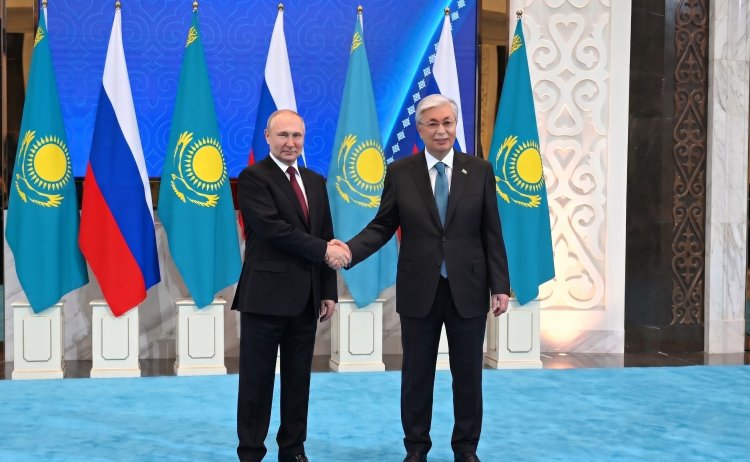
Kazakh President Kassym‑Jomart Tokayev hosted Russian President Vladimir Putin in Astana for high-level talks focused on deepening bilateral ties and preparing for an upcoming Eurasian Economic Union summit. The visit featured a ceremonial flypast as leaders reviewed cooperation on trade, transport corridors, energy and security, and highlighted progress on dozens of joint infrastructure and commercial projects valued in the tens of billions of dollars. Tokayev called the relationship a “strategic partnership,” while both sides emphasized pragmatic collaboration amid shifting regional dynamics.
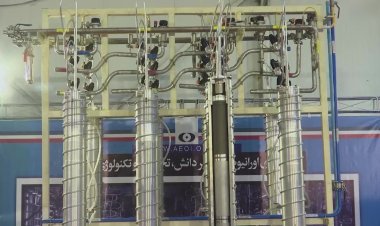
A major outcome was a signed agreement setting key terms for construction of Kazakhstan’s first new nuclear power plant since 1999—the Balkhash NPP—estimated at about $16.5 billion. Russia’s Rosatom will lead the project, which will feature two VVER‑1200 III+ reactors; Kazakhstan expects roughly 85% of financing to come from a Russian state export loan. Officials said construction will begin in 2027 with the first reactor due for commissioning in early 2034, and a second plant has also been approved with China’s CNNC named as main constructor for that project. The nuclear push follows a 2024 referendum approving new atomic capacity and aims to help Kazakhstan reach roughly 2.4 GW of nuclear generation by 2035 as it moves to diversify an electricity mix still dominated by coal, hydro and growing renewables.
Energy transit and oil transport were prominent on the agenda, with discussions on increasing Russian transshipments to China via Kazakhstan and addressing delays in a previously agreed rise in pipeline shipments through the Atasu–Alashankou corridor. Security cooperation in Central Asia—border stability and counterterrorism—was reviewed alongside EEU matters, where Russia remains the largest economy. Putin’s delegation included senior officials and state corporation heads, underscoring the visit’s emphasis on energy, financing and industrial ties.
Kazakhstan, a leading uranium producer and a country with a fraught nuclear legacy from Soviet-era testing, faces public sensitivity toward nuclear projects even as it contends with ageing power infrastructure and imports electricity to meet demand. Authorities framed the new plant as crucial to domestic energy security and economic development. Observers say the agreements reflect sustained strategic alignment with Moscow while Kazakhstan pursues a multi‑vector foreign policy balancing relations with Russia, China and Western partners.