

Iran says tanker turned back in Hormuz
U.S. and Iranian forces exchange claims over Persian Gulf operations
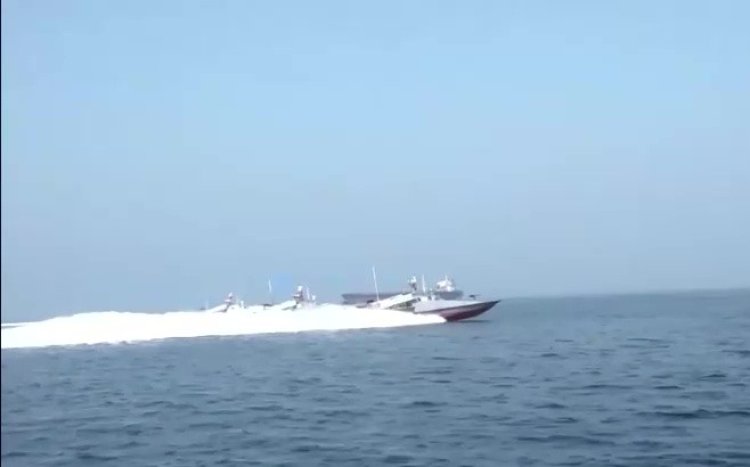
Iran’s Islamic Revolutionary Guard Corps Navy said it forced a U.S.-linked oil tanker to turn back after the vessel reportedly attempted to transit the Strait of Hormuz with its tracking transponder switched off. Tasnim, citing a military source, said IRGC units fired warning shots at the tanker, compelling it to stop and retreat; the agency linked nearby reported explosions to subsequent U.S. strikes on open ground near Bandar Abbas.
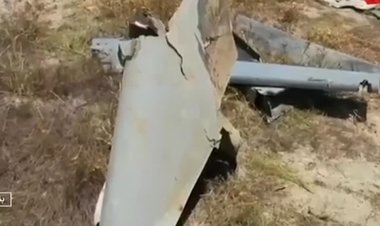
U.S. officials said their forces conducted measured defensive strikes in the area after confronting an Iranian drone threat, reporting they shot down four attack drones and struck a drone ground-control station near Bandar Abbas that was preparing to launch a fifth. Washington framed the actions as intended to protect U.S. personnel and commercial shipping and to uphold an existing ceasefire; Iranian authorities described U.S. strikes as violations.
Iran has imposed strict controls on passage through the Strait since late February, issuing transit permits under IRGC supervision and defining a formal supervisory management zone that spans from Mount Mubarak (Iran) to southern Fujairah (UAE) on the eastern side, and from the end of Qeshm Island (Iran) to Umm Al Quwain (UAE) on the western side. Iranian state outlets also reported that multiple vessels attempting to transit were turned back after warning shots.
The exchanges underscore ongoing tensions in the Persian Gulf: Tehran insists it is defending sovereign waters and denying access to what it calls hostile foreign forces, while the U.S. says its strikes are defensive measures against immediate threats to shipping and forces. Both sides continue to use military action and public statements to assert control over the strategically vital strait, raising concerns about the risk of further escalation even as each frames its operations as limited and precautionary.