

IRGC expands drone campaign against U.S. bases
Iranian forces say drones target U.S. and Israeli assets
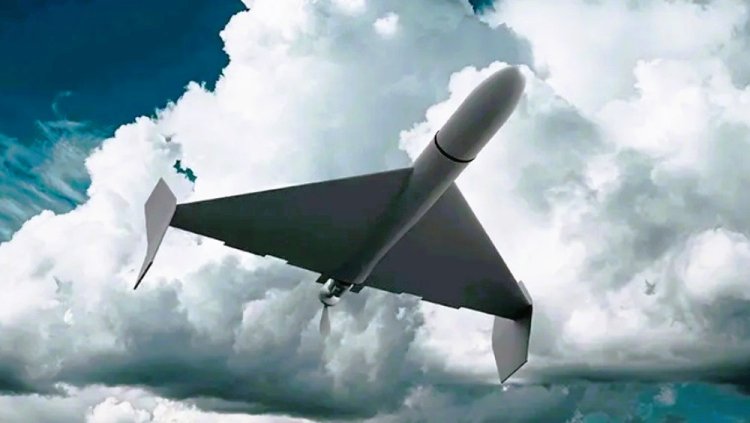
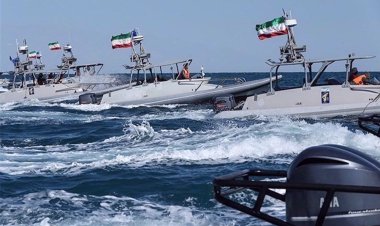
Iran’s Islamic Revolution Guards Corps (IRGC) has divided responsibilities in ongoing hostilities, assigning the IRGC Navy to focus suicide drone strikes on U.S. bases in the southern Persian Gulf while the IRGC Aerospace Force pursues other operational roles. Over multiple waves of attacks, Tehran has deployed large numbers of low‑flying Shahed-style loitering munitions and explosive drones, which commanders and U.S. officials say present a major challenge to regional air defenses because their slow, low-altitude flight profiles reduce interceptability.
U.S. defense and congressional sources briefed privately that existing air defenses are struggling to provide full protection for American sites across the region, prompting concerns about interceptor stock levels and resupply. Senior lawmakers questioned the strategic rationale and logistics of U.S. engagement: House Minority Leader Hakeem Jeffries criticized the administration’s justification for renewed military action, while Sen. Mark Kelly warned that Iran’s large drone and missile inventories turn defense into a “math problem” of dwindling interceptors. House Speaker Mike Johnson described U.S. involvement as “a dangerous operation.”
Analyses in international media and military outlets have underscored the strain on U.S. and allied resources. The Wall Street Journal reported that Iran’s repeated drone and missile barrages have complicated U.S. military objectives and protection of regional partners. A defense analysis flagged the Fattah‑2 hypersonic glide vehicle—used against Israeli targets—as posing a serious challenge to current anti‑missile systems.
The IRGC claims to have launched at least 17 waves of strikes against Israeli and American targets, employing hundreds of ballistic missiles and explosive drones aimed at locations including Tel Aviv, al‑Quds, and U.S. facilities in Kuwait, Bahrain and Qatar. Iranian statements additionally cited strikes directed at the U.S. Navy’s Abraham Lincoln carrier strike group and an American destroyer in the Indian Ocean. The evolving campaign highlights vulnerabilities in regional air defenses and raises urgent questions about sustainment of intercept capabilities and the broader strategic costs of prolonged kinetic engagement.