


Indonesia landslide toll rises in West Bandung
Rescuers search for dozens missing amid rain and unstable slopes
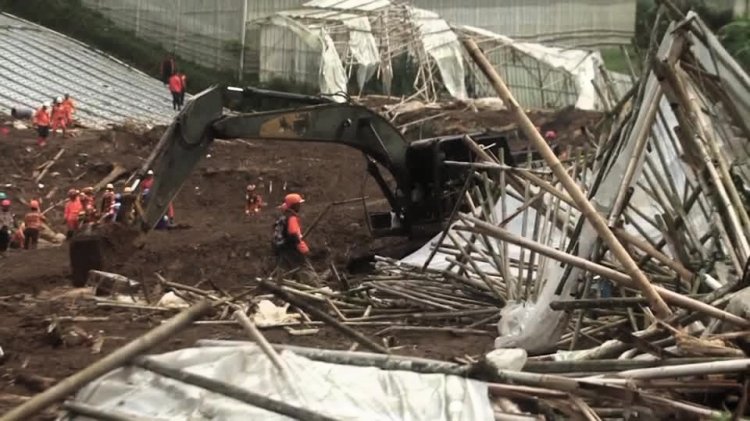
Rescue teams pressed on in a West Bandung village after a massive landslide buried homes and people under meters of mud and debris, with continuing rain and unstable slopes complicating operations. Authorities said dozens remain missing while the confirmed death toll rose as teams recovered more bodies; 38 body bags were reported recovered, 20 victims identified and others undergoing identification, including DNA testing where remains were incomplete.
The landslide struck the Pasirlangu area on Java’s West Bandung slopes in the predawn hours after several days of torrential rainfall saturated steep hillsides, triggering a sudden collapse that swept away houses, blocked roads and trapped residents and a group of military trainees. Search-and-rescue crews have been using excavators, shovels, water pumps, drones and dogs to sift through thick mud; operations have been paused at times for safety amid the threat of further slides.
Hundreds of residents were displaced and moved to temporary evacuation centers where aid agencies and volunteers supply food, water, blankets and medical and psychological support. Officials warned nearby communities to stay alert as more rain is forecast and ordered evacuations in zones judged unsafe. Early assessments indicate dozens of homes were destroyed or severely damaged and that power and communications outages have hindered coordination and relief delivery.
Local and national authorities pledged continued support for rescue and recovery efforts and said financial assistance and rebuilding aid will follow the emergency phase. Authorities noted that identification is slow in some cases because remains are severely damaged, requiring DNA matching with families. Emergency leaders said unstable soil and ongoing precipitation are the main obstacles to a full-scale, uninterrupted search, and that teams are racing to recover victims and look for survivors while balancing responder safety.
Experts and officials pointed to land-use changes — including plantations, construction and forest loss on steep slopes — combined with heavy seasonal rains as drivers of high landslide risk in the region, urging reforestation, stricter spatial planning and enforcement to reduce future hazards. The disaster underscores the vulnerability of hilly, deforested terrain to extreme rainfall events and the need for longer-term measures to protect communities.