

Gaza funeral after strike kills Hamas leade
Hundreds attend burial as tensions rise after Israeli attack

Hundreds attended a Gaza City funeral after an Israeli strike killed senior Hamas commander Raed Saed and others, Palestinian officials said. Hamas’s Gaza leader Khalil al‑Hayya confirmed Saed’s death and praised him as a “martyr.” Israeli leaders said the operation targeted Saed in retaliation for an earlier attack that injured two soldiers; Israel described him as a key planner of operations that had killed Israeli civilians and troops.
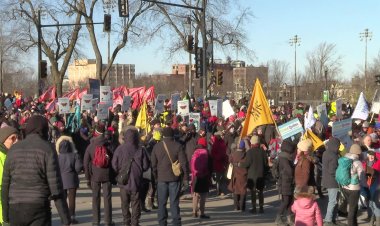
The strike, which Gaza health authorities said killed five people and wounded at least 25, struck a densely populated area and caused significant damage to nearby buildings, residents reported. Witnesses described a large, tightly controlled procession with attendees waving green Hamas flags, chanting, and joining prayers before burial. The ceremony drew fighters, political figures and civilians, and featured calls for continued resistance and vows of retaliation from speakers, underscoring heightened anger and grief.
Israel framed the strike as part of ongoing efforts to dismantle Hamas’s military leadership and infrastructure, saying precision munitions were used. Officials reiterated their intent to continue military operations until Hamas is neutralized and hostages held in Gaza are released. Palestinian and international critics argue that such targeted killings contribute to a worsening humanitarian crisis by increasing civilian casualties and destruction amid existing shortages of food, water and medical supplies.
The funeral unfolded amid broader failure to secure a lasting ceasefire or meaningful expansion of humanitarian access. Mediators have sought to resume talks several times but face repeated breakdowns and mutual accusations of bad faith. Aid agencies warn that continued hostilities are deepening civilian suffering and complicating relief deliveries.
Security measures remained tight in Gaza City after the burial, with residents expressing fear of further strikes and little expectation of near‑term de‑escalation. The incident highlights the persistent cycle of reprisals between Israeli forces and Hamas militants, raising concerns among international observers about escalating violence and the toll on civilians in an already devastated enclave.