

Dangote refinery maintains steady output
Nigeria boosts fuel supply despite global oil tensions
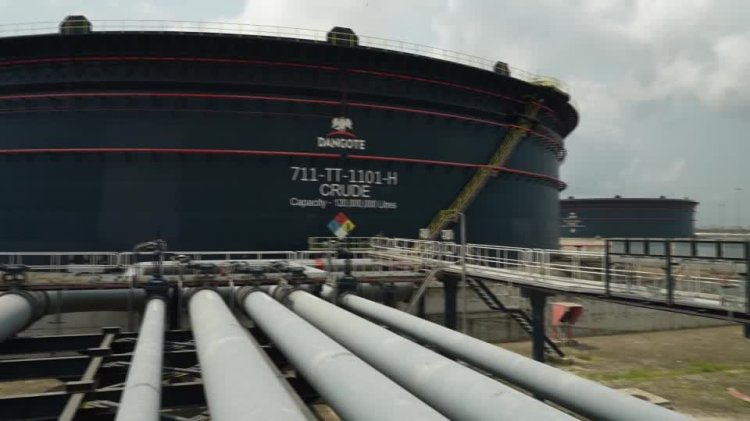
Nigeria’s Dangote refinery in Lagos, Africa’s largest crude‑processing plant with a capacity of about 650,000 barrels per day, has continued steady operations despite rising tensions in the Middle East that have lifted global oil prices. Owned by Aliko Dangote, the complex is designed to handle multiple crude grades and includes extensive storage, processing and quality‑control facilities; management is pursuing plans to expand output further.
Early commercial runs have already cut Nigeria’s reliance on imported refined fuels by supplying gasoline, diesel, aviation fuel and petrochemicals for domestic use and export. That domestic processing capability has helped shield the local market from some international price volatility and shipping disruptions tied to geopolitical risk, and analysts say growing output could stabilise fuel availability across West Africa.
The refinery’s long‑term influence will hinge on operational consistency and reliable access to feedstock. While higher crude prices can boost export revenues, they also risk raising the cost of imported refined products if domestic output falters; the Dangote complex aims to reduce that exposure by processing large volumes locally. Observers note that maintaining steady operations amid global uncertainty underscores the strategic value of large‑scale refining capacity for energy‑producing countries.
Officials frame the project as a catalyst for broader economic development: the facility is expected to create thousands of jobs, support downstream industries and help position Nigeria as a regional hub for refined petroleum products. For a country that long shipped crude abroad for processing and then re‑imported finished fuels, the Dangote refinery represents a structural shift toward greater energy self‑sufficiency.
As geopolitical tensions continue to affect international energy markets, the refinery’s resilience highlights the importance of domestic infrastructure in managing supply shocks. If the plant can sustain output and secure consistent feedstock, it has the potential to reshape regional supply dynamics and offer Nigeria greater insulation from future market disruptions.