

U.S. plans Hormuz blockade despite truce
Donald Trump move risks escalating tensions with Iran
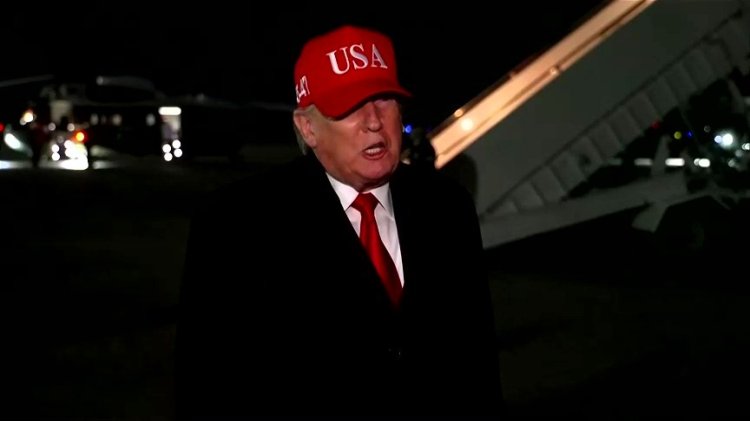
U.S. President Donald Trump said a fragile ceasefire with Iran was “holding well” while announcing that the U.S. Navy will begin blockading the Strait of Hormuz, a move that sharply escalates tensions despite ongoing truce claims. Trump spoke to reporters after arriving on Air Force One, saying the blockade would take effect at 10 a.m. local time the following day and asserting that Iran’s military capabilities had been “destroyed.” The U.S. military confirmed plans to block maritime traffic entering and exiting Iranian ports and coastal areas, and to intercept vessels suspected of paying transit fees to Tehran. Shipping traffic showed large tankers transiting the strait shortly before the announcement, but tankers were avoiding the waterway as the blockade approached.
Separately, Trump criticized Pope Leo for being “weak” on crime and for remarks seen as critical of U.S. and Israeli policy toward Iran; the pope has previously condemned threats to destroy Iranian civilization and urged reflection on migrant treatment. The situation leaves a tenuous mix of diplomatic engagement and military posturing: Washington insists it is preserving the ceasefire while using naval pressure to curb Iran’s oil revenues, even as observers caution that such measures risk undermining the truce and prompting broader
The announcement followed marathon talks between U.S. and Iranian officials that failed to produce a deal, putting the two‑week ceasefire at risk. Iranian authorities warned that enforcement actions in the strait would violate the ceasefire and amount to aggression, raising fears of renewed confrontation. Analysts warned that any sustained disruption in the Strait of Hormuz — a chokepoint for roughly one‑fifth of global oil shipments — could roil energy markets and force lengthy detours for tankers.
conflict.