

Trump outlines agenda to Congress
U.S. President defends tariffs and border push amid divided reactions
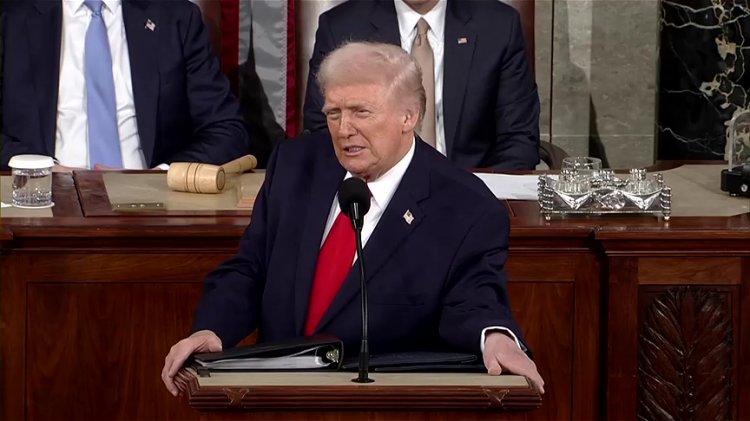
U.S. President Donald Trump addressed a joint session of Congress, outlining domestic and foreign policy priorities and defending recent executive actions while urging lawmakers to back his administration’s agenda. He emphasized economic growth—citing job numbers, investment in manufacturing and energy, tax policies to spur business, and deregulation—and defended tariff measures as protections for American industries. Immigration and border security were major themes; Trump called for stricter enforcement, funding for border infrastructure and enhanced screening, framing the border as central to national security and economic stability.
On foreign policy, Trump stressed bolstering the military, pressing allies to increase defense spending, and maintaining U.S. leadership in technology and global competition. He highlighted a stepped-up campaign against drug cartels in Mexico, citing the recent killing of a major cartel leader in a Mexican raid and arguing the designation of cartels as foreign terrorist organizations has aided cooperation. Trump also claimed U.S. forces captured Venezuela’s President Nicolás Maduro in an unprecedented operation and said Maduro would face U.S. charges; U.S. officials have described the action as a major escalation that has drawn legal and diplomatic scrutiny.
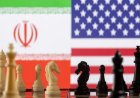
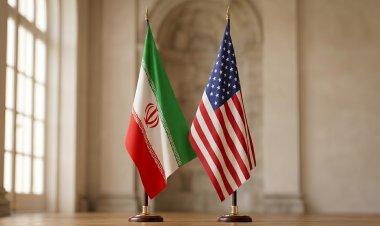
President Donald Trump issued a fresh warning to Iran. "They've already developed missiles that can threaten Europe and our bases overseas and they're working to build missiles that will soon reach the United States of America," Trump said.
"We are in negotiations with them. They want to make a deal, but we haven't heard those secret words 'we will never have a nuclear weapon.'," he said.
Reactions in the chamber were mixed: Republicans largely applauded while many Democrats remained seated during key passages to signal opposition.
Trump called for bipartisan cooperation, but his proposals—particularly on immigration, trade and the use of military force abroad—are expected to prompt intense debate in Congress.