

Portugal strike turns violent
Clashes erupt as workers protest planned labor reforms

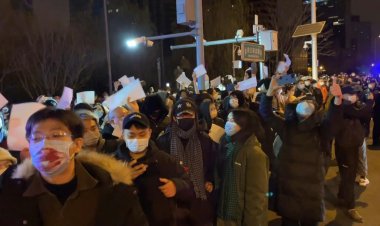
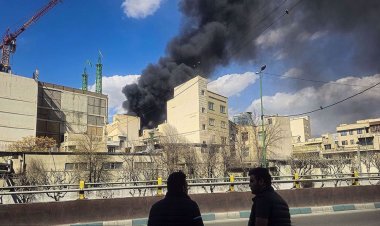
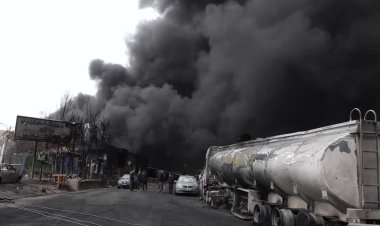
Protests linked to a nationwide general strike in Portugal intensified into violent clashes with riot police across Lisbon and other cities as unions and thousands of workers rallied against proposed labour reforms. After large, mainly peaceful marches, smaller groups splintered off, throwing bottles and stones and setting fires to rubbish bins and construction materials near government buildings and transport hubs. Riot units moved in to push back the groups; firefighters worked to douse flames that filled streets with smoke. Authorities reported multiple arrests and several minor injuries among protesters and officers.
The strike — the first in over a decade — halted many public services: trains and buses were suspended, ferries disrupted, hundreds of flights cancelled and schools closed, leaving commuters stranded and travel plans in disarray. Organisers said tens of thousands of public sector workers, students and union members took part, demanding higher wages, relief from rising living costs, better housing and increased investment in public services. Union leaders condemned the violence but said it reflected deep and widespread frustration after years of economic strain and what they called insufficient wage adjustments to match inflation.
The minority centre-right government argues the amendments to more than 100 labour-code articles are aimed at boosting productivity and sustaining economic growth. Unions warn the package would tilt power toward employers and weaken worker protections, an outcome they say would come despite Portugal’s comparatively strong economy and low unemployment. The government urged calm and opened the door to talks, while stressing that vandalism and attacks on public safety undermine legitimate protest.
Political analysts say the unrest exposes growing social tensions as authorities balance fiscal constraints with demands for stronger social protections and living-cost relief. Though most demonstrators returned home peacefully, the images of burning debris, scuffles with police and damaged property underscored the volatility of the moment. Officials signalled that heightened security measures will remain in place and that negotiations with unions are likely to continue, warning that further demonstrations could flare if no agreement is reached. Humanitarian and municipal services face mounting pressure to clear streets, repair damage and restore disrupted transport networks as the country grapples with the fallout.