

Portugal heads to rare presidential runoff
Seguro leads Ventura after fragmented first-round vote
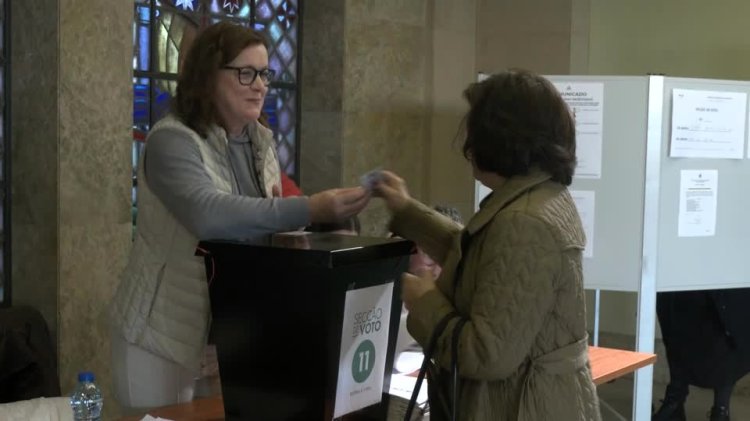
A presidential runoff has been set after Portugal’s first-round vote produced no outright winner, with moderate socialist Antonio José Seguro leading on 31.1% and far-right leader André Ventura following on 23.5% among 11 contenders. Both advance to the decisive second round on February 8, marking only the second time in five decades since the end of dictatorship that a presidential contest has required a runoff.
The outcome highlights deepening fragmentation across Portugal’s political scene and rising voter disillusionment with traditional parties. Seguro, backed by the center-left, campaigned on safeguarding democratic institutions, preserving social welfare programs and maintaining Portugal’s commitments within the European Union. He drew broad, if dispersed, support from urban constituencies and older voters, securing the plurality but falling short of an outright majority.
Ventura’s strong showing reflects growing public frustration over immigration, living costs and perceived political corruption. The former sports television commentator and populist firebrand ran on a nationalist, law-and-order platform and sharp criticism of the political establishment, securing notable backing in economically strained regions and among younger cohorts. Nevertheless, Ventura faces a substantial hurdle: recent polls indicate a rejection rate exceeding 60%, and most surveys project he would lose the runoff given widespread resistance among voters to his platform and rhetoric.
Though largely ceremonial in daily functions, the Portuguese presidency possesses meaningful constitutional powers in specific circumstances, including the authority to dissolve parliament, call snap elections and veto legislation—roles that can decisively shape the political landscape in times of crisis or parliamentary gridlock. That elevates the stakes of the runoff beyond symbolism, prompting close attention at home and across Europe.
Prime Minister Luís Montenegro said his center-right Social Democrats would not endorse either candidate, leaving eliminated mainstream parties under pressure to converge around Seguro to prevent a far-right victory. The first-round results have intensified calls from civil society and political actors for broad mobilisation to defend democratic norms.