

Israel razes homes in Gaza City
Thousands displaced as U.S. envoy Rubio visits region

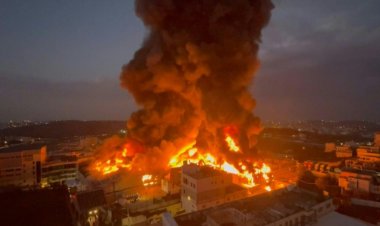
Israeli forces have reportedly destroyed at least 30 residential buildings in Gaza City, displacing thousands of residents amid intensified military operations aimed at eliminating Hamas. Palestinian officials have indicated that the bombardment is part of Israel's strategy to seize Gaza City, which is considered the last stronghold of the militant group. Residents received evacuation orders shortly before the strikes, prompting many families to flee their homes, often leaving behind their belongings.
The ongoing airstrikes have led to significant destruction in residential neighborhoods, with entire apartment blocks reduced to rubble. The humanitarian situation in Gaza is deteriorating, with healthcare, power, and water infrastructure under severe strain. UN agencies have raised alarms about rising malnutrition and a lack of basic services, exacerbating fears among the population.
U.S. Secretary of State Marco Rubio arrived in the region amid these escalating tensions, following a controversial Israeli airstrike in Doha that targeted Hamas leaders. This strike has drawn criticism from Qatar, complicating diplomatic efforts and ceasefire negotiations. Rubio's visit is seen as a high-stakes diplomatic initiative aimed at addressing urgent issues, including the safe return of approximately 48 hostages held by Hamas and the management of aid and reconstruction in Gaza.
As Rubio meets with Israeli leaders, he is expected to discuss the humanitarian crisis and the need for political solutions. Israel insists that its military campaign will continue until Hamas is dismantled and all hostages are released. However, analysts warn that as violence escalates, civilian suffering may deepen, increasing the risk of broader regional conflict.
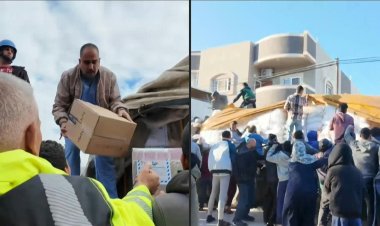
Exhausted and displaced, Palestinians fleeing intensified Israeli bombardment in central Gaza described scenes of chaos, fear, and despair as they struggled to reach safety on foot or aboard bulldozers, with little more than the clothes on their backs.
With transportation scarce and unaffordable for many, families are forced to carry what little they can as they flee neighbourhoods targeted in recent airstrikes.