

Bolivia president cuts salaries amid unrest
Protests over austerity deepen shortages and political tensions
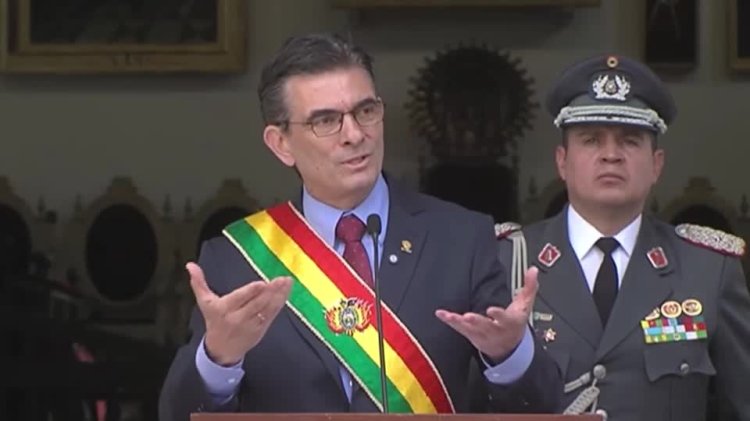
Bolivian President Rodrigo Paz announced a 50% cut to his salary and those of his cabinet ministers as nationwide protests demanding his resignation intensified. Framing the reduction as a gesture of solidarity and fiscal responsibility, Paz said the move signals the government’s commitment to sharing burdens while defending recent austerity measures—spending cuts and reduced fuel subsidies—he deems necessary to stabilize public finances after inheriting an economy in turmoil.
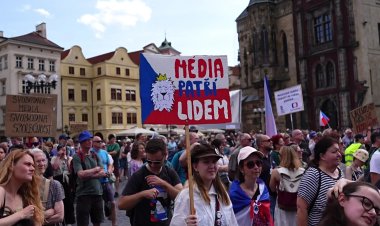
The country has entered its fourth week of political and social unrest, with roadblocks and demonstrations disrupting supply chains and daily life. La Paz and El Alto have been particularly affected, reporting acute shortages of food, fuel and medicine that have strained markets, hospitals and gas stations. Union leaders and grassroots organizers accuse the president of serving a narrow elite and demand his resignation, saying the measures taken so far do not address the needs of ordinary Bolivians or reverse rising living costs.
Public opinion remains divided: some residents and officials argue that continuing fiscal reforms is essential to restore economic stability, warning that ongoing blockades will deepen shortages and economic damage; others view the salary cut as a largely symbolic action that fails to tackle root causes such as austerity-driven hardship and limited social protections. Security forces have been deployed to manage protests in urban centers as authorities seek to keep transport corridors open and protect critical services.
Negotiations and calls for dialogue are ongoing, with protesters pressing for concrete policy reversals and increased social support, while the government maintains it will continue reforms aimed at fiscal recovery. Observers say the salary reduction may ease public anger temporarily but is unlikely to resolve the deeper political divisions and economic grievances fueling sustained unrest, leaving the situation uncertain as both sides weigh further steps.