

Guelleh seeks sixth term in Djibouti
Election raises concerns over limited competition
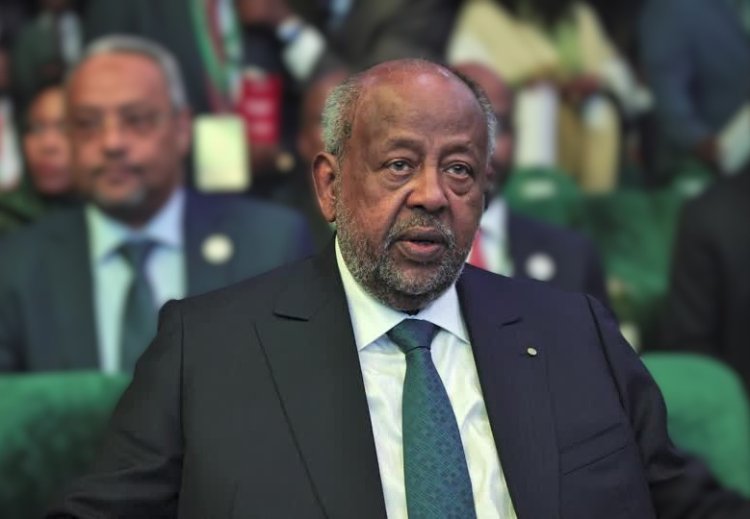
President Ismaïl Omar Guelleh is campaigning for a sixth term in Djibouti after parliament removed an age limit that would have barred his candidacy, consolidating changes that earlier eliminated presidential term limits. Guelleh, 78, who has governed the Horn of Africa nation since 1999, is widely expected to extend his 27-year rule; the ballot includes a sole challenger, Mohamed Farah Samatar of the Unified Democratic Centre, in a race critics argue offers little genuine competition. Supporters point to stability and economic gains under Guelleh, citing Djibouti’s strategic position on major shipping routes and its development as a logistics and military hub that has attracted foreign bases and investment.
Opposition parties, rights groups and observers contend that constitutional amendments and political constraints have hollowed out democratic contestation, curbing opposition activity and limiting media freedom. The lifting of the age cap is seen by critics as a targeted move to enable continued incumbency, while proponents frame it as continuity that preserves security and economic momentum in a volatile region. Analysts say the election will largely be a measure of public acquiescence to long-standing leadership rather than a competitive transfer of power.
Attention during the campaign has focused on voter turnout, the extent of opposition mobilization under restrictive conditions, and whether international monitors will deem the process credible. For many Djiboutians, practical concerns such as jobs, public services and cost-of-living pressures weigh heavily alongside questions of governance and political pluralism. Regional and global stakeholders are closely watching the vote because Djibouti’s ports and bases are pivotal to Red Sea and Indian Ocean security, trade flows and naval logistics.
The outcome is expected to reinforce Guelleh’s grip on power, but it also sharpens debate over succession planning and institutional reform. Observers warn that prolonged personalization of authority without clearer mechanisms for leadership renewal could heighten long-term political risks, even as short-term stability and foreign investment continue. The election thus encapsulates a wider tension: balancing strategic continuity and economic interests against calls for greater political openness and democratic accountability.