

Guangzhou expands hydrogen transport
City scales fuel-cell fleets to cut costs and emissions
Guangzhou is rapidly scaling hydrogen use across transportation sectors, positioning the city as China’s leading hub for fuel‑cell vehicles with over 4,000 in operation. Authorities and companies are rolling out hydrogen fleets for construction sites, logistics, cold‑chain transport and buses, citing higher payloads, stronger performance, lower noise and faster refueling than battery electric alternatives. On a local construction project, hydrogen trucks have increased load capacity from about 12 to 20 cubic meters per trip, reducing costs and disturbance to nearby residents. Cold‑chain vehicles can refuel in five to ten minutes and achieve ranges up to 500 km, versus hour‑plus charging times for large battery trucks; operators report operating costs near 1.35 yuan per km and growing confidence after months of service.
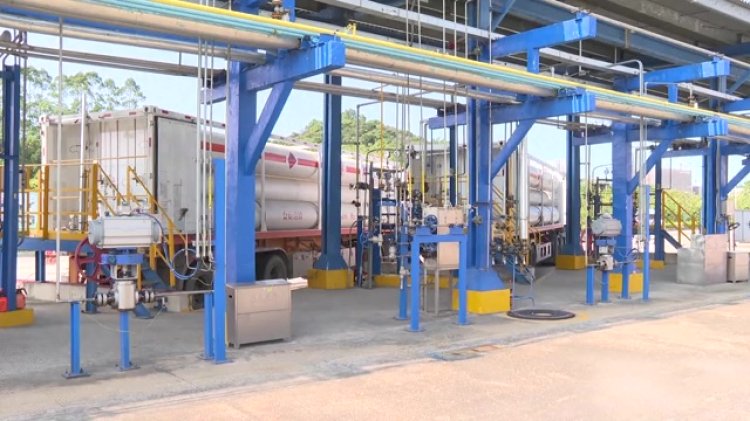
Supply and infrastructure are expanding: a southern China hydrogen fuel‑cell supply center with 5,100 tonnes annual capacity opened last year to secure regional fuel, while new refuelling stations sell hydrogen at around 25.9 yuan/kg—close to the national target of under 25 yuan/kg by 2030. Firms cite transport and unloading efficiencies (using 30‑MPa tube trailers and improved unloading tech with more than 95% efficiency) that raise delivered volumes and lower unit costs. Rising end‑user demand is evident: one company reported sales growth of roughly 200% year‑on‑year in 2025 and another 200% increase in Q1 2026, supporting broader hydrogen industry expansion.
Researchers and manufacturers are pursuing field validation across uneven terrain and varied vehicle classes, and user‑side innovations are driving production upgrades. Policymakers frame the push as part of emissions‑reduction and sustainable mobility goals, aiming to reduce urban pollution while creating green‑tech and manufacturing opportunities. Challenges remain in proving long‑term durability, cost competitiveness at scale and continued price declines, but Guangzhou’s integrated approach—combining fleet adoption, supply capacity, faster refuelling and logistics efficiencies—signals a concerted effort to mainstream hydrogen as a practical complement to electrification in heavy and long‑range transport.