

Congo steps up Ebola containment efforts
Authorities tighten screening as Bundibugyo outbreak spreads
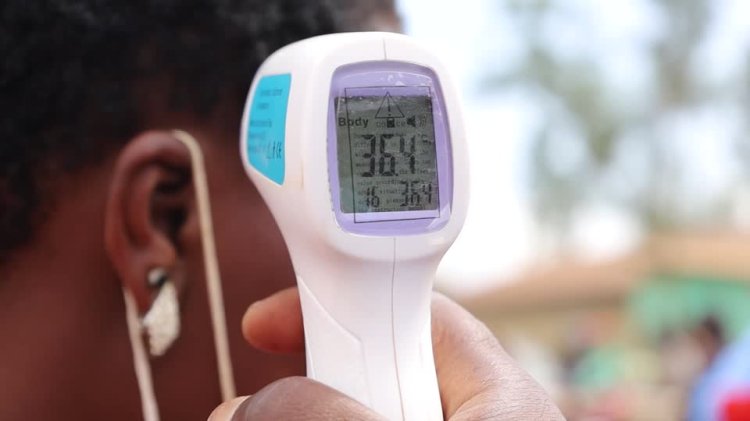
Health authorities in eastern Democratic Republic of Congo have intensified screening and containment measures in Bunia as an outbreak of the rare Bundibugyo Ebola strain radiates from the mining town of Mongbwalu. Checkpoints on routes between the towns now enforce hand‑washing, temperature checks and symptom screening; travellers flagged with high fevers are held for assessment and ambulances are summoned to transfer suspected cases to isolation and care facilities. Officials identify Mongbwalu as the outbreak’s epicentre after local rumours—some claiming coffins or mystical causes were killing people—delayed recognition of an infectious disease and helped spread the virus to neighbouring communities.
The World Health Organization has declared the situation a public‑health emergency of international concern as authorities link the outbreak to more than 900 suspected cases and over 170 deaths, cautioning those totals may rise because the virus circulated undetected for weeks. Public‑health teams say the Bundibugyo strain has no approved vaccine, a factor that complicates containment efforts already hampered by conflict, population displacement and pervasive misinformation. Health workers at roadside screening points carry out rapid checks and hygiene measures while contact tracers and surveillance teams work to map transmission chains.
International agencies and partners are providing laboratory support, protective equipment and technical assistance, but responders warn that fragile local health systems are under severe strain. Outreach teams are intensifying risk communication to counter rumours and encourage communities to report symptoms, avoid unsafe burial practices and comply with isolation protocols. Authorities stress that continued population movement and porous borders raise the risk of further spread, and they urge cooperation with screening measures to limit transmission.
The emergency response blends clinical isolation, surveillance, community engagement and logistics to keep suspected chains of infection under control, yet operational challenges persist: insecurity in affected areas restricts access, displacement disperses potentially exposed populations, and misinformation undermines trust in public‑health advice. Officials say sustained international support and clear, culturally sensitive communication are essential to curb the outbreak while health services bolster capacity for patient care and laboratory confirmation.