

Burundi strained by Congo refugee surge
UN warns influx overwhelms aid and sparks disease risks

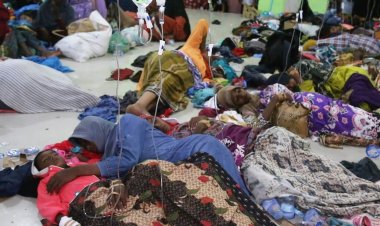
More than 84,000 people fleeing renewed fighting in eastern Democratic Republic of Congo have crossed into neighbouring Burundi this month, creating a second large influx of refugees in 2025 that is overwhelming the country’s response capacity, the U.N. refugee agency said. UNHCR’s representative in Burundi, Brigitte Mukanga-Eno, described overcrowded reception sites, long queues for limited food and water, inadequate sanitation and rising cholera outbreaks. Many arrivals — mainly women and children — crossed at informal points along the Rusizi River and Lake Tanganyika, exhausted and carrying few belongings after days of travel.
The surge followed clashes between the Rwanda-backed M23 rebels and the Congolese army around towns in South Kivu province, notably Uvira, despite a U.S.-brokered peace deal signed in June between the Democratic Republic of Congo and Rwanda. Kigali denies supporting M23 and has accused Congolese and Burundian forces of fuelling the fighting, while a U.N. experts’ report in July concluded Rwanda exercised command and control over the rebels.
Burundian authorities say border communities are stretched to breaking point: temporary reception sites are overcrowded, shelter and clean water are scarce, sanitation facilities are insufficient and food supplies are dwindling. Schools, health centres and host communities are under severe strain; aid workers report families sleeping outdoors and relying on inadequate emergency distributions. The government has appealed for urgent international assistance, warning it lacks the capacity to cope with such large numbers.
Humanitarian agencies say the influx underscores the long-running scale of displacement caused by armed groups in eastern Congo and warn continued fighting could drive even larger movements of people, further destabilising neighbouring states already facing economic hardship. Aid groups have appealed for increased funding to expand shelter, healthcare and protection services in Burundi and called for renewed diplomatic efforts to address the conflict’s root causes to prevent further displacement. Without a rapid improvement in cross-border security, agencies warn Burundi’s refugee crisis is likely to deepen in the coming weeks.