

Beirut turns waste into Ramadan decor
Volunteers create eco-friendly lanterns amid energy crisis
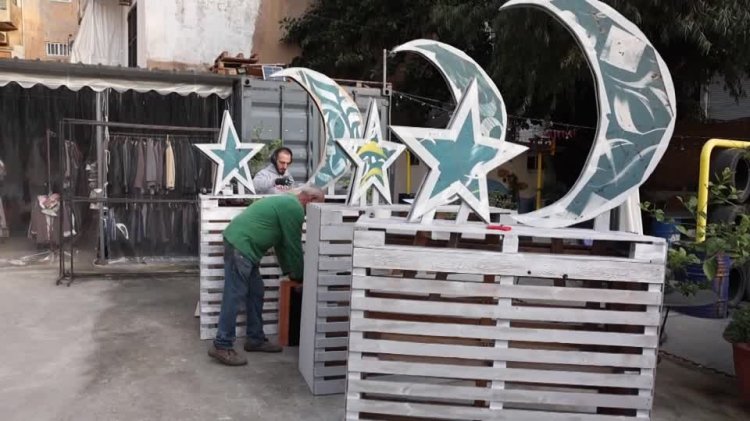
Communities across Beirut have repurposed waste into Ramadan street decorations, as volunteers collect discarded plastics, cardboard, old CDs, scrap wood and fabric to make crescent moons, stars, fanous lanterns and illuminated arches now adorning neighbourhoods across the city. The grassroots initiative, led by local NGOs, youth groups and community volunteers, runs craft workshops in small studios and community centres where participants cut, paint and assemble materials using simple tools and donated supplies. Many of the lanterns are fitted with solar-powered lights to conserve electricity amid Lebanon’s ongoing energy shortages.
Organisers say the project combines celebration with sustainability: decorations will be removed after the month, stored and reused next year to reduce waste and promote circular practices in a country with limited recycling infrastructure and recurring landfill problems. Small businesses have contributed by donating packaging or offering modest sponsorship, while families and children take part in hands-on sessions that foster community ties and provide a low-cost outlet during a period of economic strain and reduced public services.
The initiative aims to raise public awareness about environmental responsibility by turning materials that might otherwise end up in dumpsites into colourful public art. Volunteers report that the visible displays brighten alleyways and shopfronts, and that evening lighting creates a festive atmosphere that also underscores resilience in the face of hardship. The project leads to a plan to expand the model beyond the holy month by encouraging schools and neighbourhoods to adopt similar eco-friendly practices and by building a network for material collection and reuse.
Residents describe the effort as a practical, uplifting response to Lebanon’s intertwined challenges: economic difficulties, power shortages and persistent waste-management gaps. As solar-lit fanous and upcycled crescents glow over streets each night, the decorations serve both as expressions of faith and as tangible examples of community-led innovation—showing how collective action and creativity can save resources, strengthen social bonds and keep tradition alive while addressing environmental concerns.