

At least 12,000 killed in Iran and possibly as high as 20,000
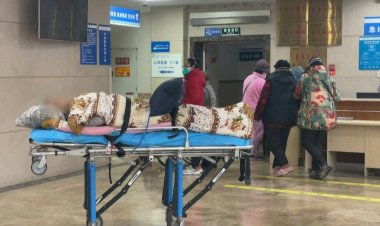
Bodies pile up outside morgue in Tehran as deadly protests escalate

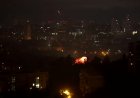
Footage posted on social media showed protesters gathered along a highway in northeastern Iran chanting slogans and waving a pre-Islamic revolution flag as fires burned around them during anti-government protests.
The footage showed people protesting along a highway located in the Iranian city of Mashhad.
The protesters were heard chanting "Pahlavi will return" and "Long live the King," in reference to Reza Pahlavi, the exiled son of Iran's last shah, who has emerged as a prominent voice in the fragmented opposition.
Information trickling out of Iran suggests that a crackdown by authorities to end more than two weeks of widespread anti-government protests has likely been far more deadly than activists outside the country have reported.
A source inside Iran who was able to call out told CBS News that activist groups working to compile a full death toll from the protests, based on reports from medical officials across the country, believed the toll was at least 12,000, and possibly as high as 20,000.
The truth has been incredibly difficult to piece together due to Iran's hardline rulers cutting off internet access and phone service in the country for the last five days. While a complete internet shutdown in Iran remained in place for a fifth day, some Iranians were able to make phone calls out of the country, though it was still not possible to call into Iran from outside.
Authorities cut internet access and telephone lines for more than 5 days as mass anti-government protests spread across the country, with Iranians shouting slogans against the ruling theocratic regime as anger mounts over a tanking economy and security crackdowns.
The government has imposed sweeping security measures, including deploying riot police and Revolutionary Guard units, closing public spaces and restricting online communications. State media has warned protesters of severe legal consequences, while officials have described the demonstrations as a threat to national security.
Unrest has since spread nationwide amid deepening distress over economic hardships, including rocketing inflation driven by a sharp currency slide and rapidly rising prices due to mismanagement and Western sanctions, and curbs on political and social freedoms.