

Argentina rally defends rights progress
Protesters warn reforms threaten decades of protections

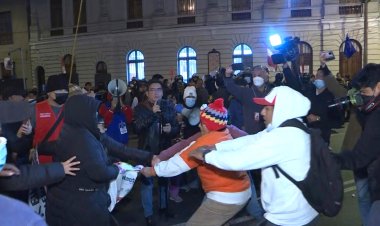
Human rights groups, labour unions and relatives of victims of state repression convened at Buenos Aires’ Plaza de Mayo to mark International Human Rights Day and protest what they say are policies by President Javier Milei’s government that jeopardize decades of progress on justice, memory and social protections. The rally drew prominent figures including Estela de Carlotto of the Grandmothers of Plaza de Mayo and Taty Almeida of the Mothers of Plaza de Mayo, along with Nobel laureate Adolfo Pérez Esquivel, who warned of mounting global instability and breaches of international law.
Thousands filled the square opposite the presidential palace carrying banners and photographs of the disappeared, chanting against budget cuts, institutional restructurings and rhetoric they say amounted to “denialism” and an erosion of human rights norms established after the 1976–1983 dictatorship. Organisers argued that proposed funding reductions and administrative changes risk weakening bodies tasked with investigating past abuses and preserving historical memory, undermining accountability for crimes committed under military rule.
Speakers condemned cuts to social programs, health services and education, saying austerity measures disproportionately harm vulnerable populations and threaten protections long fought for by civil society. Demonstrators stressed that economic stabilisation cannot be pursued at the expense of fundamental rights, and warned that normalising rollbacks in social spending will entrench inequality and exclusion. Labour unions at the rally also protested broader labour-market and social-policy shifts, linking the government’s agenda to threats against workers’ rights and collective protections.
The Milei administration defends its reforms as necessary responses to Argentina’s severe economic crisis—marked by high inflation, fiscal deficits and dwindling reserves—and says austerity and institutional overhaul are aimed at restoring confidence, reducing public spending and modernising the state. Government allies characterised the protests as politically motivated, asserting that reforms do not target human rights but seek to eliminate inefficiencies and privileges within the public sector.
Organisers invoked Plaza de Mayo’s history as a focal point for civic resistance—most notably the Mothers’ weekly marches during the dictatorship—and presented the day’s mobilisation as part of a continuity of vigilance against abuses of power. Human rights groups signalled plans to pursue legal avenues and sustained public mobilisation to oppose measures they deem unconstitutional or in violation of international commitments.