

“Anutin Charnvirakul” elected Thailand PM
Coalition deal ends deadlock after court ousted Paetongtarn
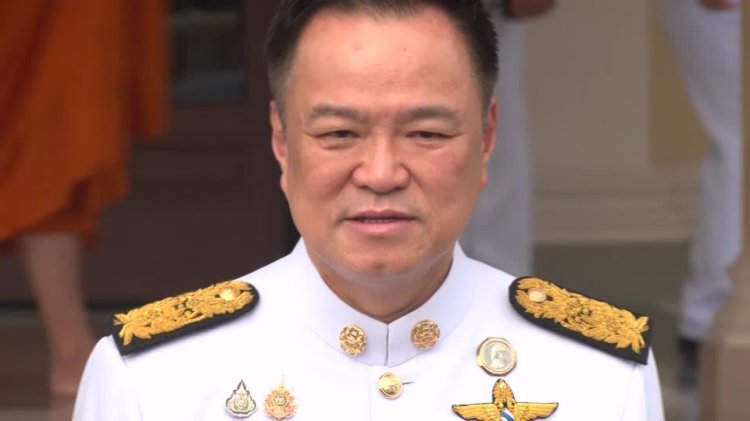
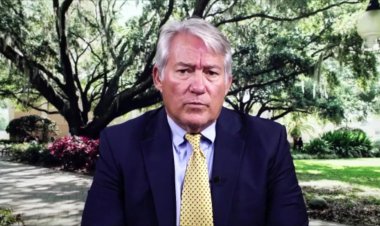
Thailand's parliament elected Anutin Charnvirakul, 58, leader of the Bhumjaithai Party, as prime minister after a period of intense coalition bargaining and political uncertainty. His election followed the dismissal of Paetongtarn Shinawatra by the Constitutional Court for ethical violations, which triggered a scramble for power and the collapse of parts of the previous governing alliance. Bhumjaithai—having left the Pheu Thai-led coalition earlier—emerged as a kingmaker, securing backing from several parties, including the progressive opposition People's Party, which reportedly agreed to support Anutin in exchange for a pledge to dissolve parliament within four months.
Anutin, a veteran politician and businessman who previously served as deputy prime minister and public health minister, is viewed as a pragmatic, experienced administrator. He gained national prominence during the COVID-19 pandemic and has steered Bhumjaithai into a pivotal role by courting voters outside Bangkok and emphasizing practical policies such as public health, infrastructure and decentralization. In remarks after the vote he pledged to prioritize stability, economic recovery, easing the cost-of-living burden, support for small businesses and a revival of tourism.
The new government reflects Thailand’s fragmented political landscape, where coalition-building among diverse parties is essential. Supporters argue Anutin’s appointment brings needed stability and could reassure investors after prolonged uncertainty; critics warn his coalition’s alignment with traditional power centers may preserve the status quo and limit deep structural reforms, particularly regarding the influence of unelected institutions and the military. Analysts note the cabinet lineup and distribution of key ministries—particularly finance, interior and transport—will test his ability to balance competing coalition demands.
On foreign policy, continuity is expected, with emphasis on trade, tourism and regional cooperation. Public reaction has been mixed: some welcome the end of political limbo, while others remain skeptical about the government’s capacity to tackle inequality, corruption and democratic reform. As Anutin prepares to form his cabinet and govern a divided polity, his success will hinge on managing coalition pressures and addressing urgent economic and social challenges.