

Ceasefire strain ahead of Iran-U.S. talks
Hormuz blockade and Lebanon strikes complicate negotiations

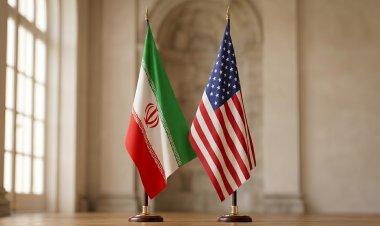
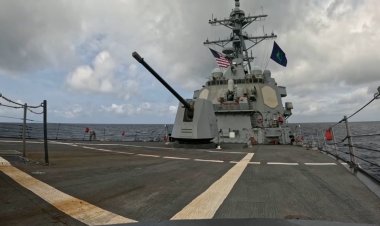
The U.S.–Iran ceasefire showed fresh strain ahead of mediated talks in Pakistan, with Tehran maintaining a near‑total blockade of the Strait of Hormuz that has sharply disrupted global energy flows. Washington criticised Iran’s handling of transit and President Donald Trump warned oil would resume flowing without specifying measures to ensure it. Tehran says continued Israeli strikes on Lebanon breach the truce and are a central obstacle; recent bombardment of populated areas there was described by Lebanese officials as a massacre.
Pakistan, a mediator, prepared to host the first round of U.S.–Iran negotiations, where Iran’s parliamentary speaker Mohammad Baqer Qalibaf led a delegation and met U.S. officials including Vice President J.D. Vance. Iran has submitted a 10‑point settlement proposal calling for guarantees including control over the Strait of Hormuz, recognition of its nuclear enrichment rights, lifting of sanctions and an end to hostilities that would cover Lebanon and allied groups. Washington and Israel have said the ceasefire does not include Lebanon; Tehran and Pakistan dispute that reading.