

Blizzard paralyzes U.S. Northeast
Heavy snow halts travel and leaves hundreds of thousands without power
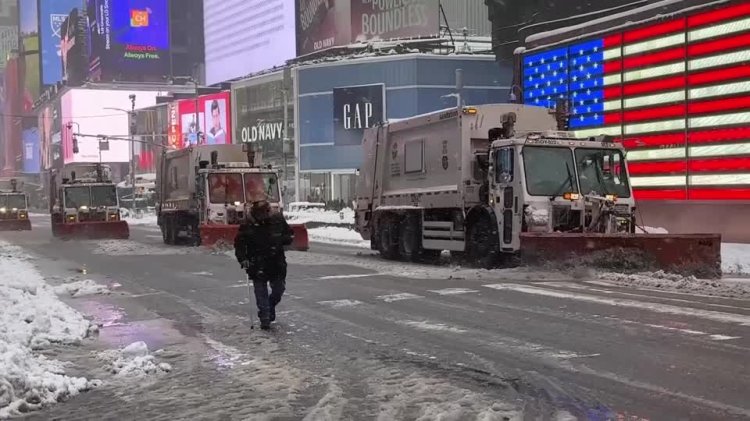
A major blizzard paralyzed large swathes of the U.S. Northeast, dumping heavy snow that brought roads, rail services and airports to a near‑standstill and left hundreds of thousands without power. The storm prompted widespread travel cancellations—thousands of flights were called off—and forced officials to impose restrictions and emergency measures as crews worked to clear streets and restore services.
Cities from New York to Boston recorded significant accumulations, with Central Park registering well over a foot of snow and other locales reporting far heavier totals. Coastal communities and inland urban centres saw deep drifts driven by strong coastal winds, with some areas reporting near‑record or record snowfall. Wind gusts created hazardous drifting and reduced visibility, complicating clearance efforts and prolonging travel disruption.
Authorities urged residents to remain off the roads to allow ploughs and emergency teams to operate safely. Hundreds of thousands of customers lost electricity across multiple states, prompting utility and emergency services to prioritise restoration and response in hardest‑hit areas. Governors and local leaders activated National Guard units and other resources to support snow removal, welfare checks and critical logistics in affected communities.
Public transport and commuter rail services were suspended or severely delayed across the region, and major airports experienced mass cancellations and delays that extended into subsequent schedules. Schools and many workplaces closed, and institutional facilities including the U.N. complex in Manhattan were temporarily shut as conditions deteriorated.
The storm also created a hazardous mix of wet, heavy snow and subsequent slush as temperatures rose, complicating pedestrian movement and increasing the risk of slips and falls. Municipal sanitation and public‑works teams mobilised sweepers, water trucks and drain‑clearing crews to address water‑logged streets and prevent refreezing in shaded areas. Businesses reported both disruptions and a surge in local demand as residents stocked up and sought shelter.
Federal agencies emphasised continuity of emergency operations despite concurrent administrative challenges, while officials warned residents to expect prolonged recovery timelines as crews contend with downed lines, blocked routes and ongoing snowfall in some locales. The multi‑state event was described by meteorologists as powerful and widespread, underscoring vulnerabilities in infrastructure and the logistical strain of restoring normalcy after an intense winter storm.