

Iran rejects U.S. blockade as tensions rise
Tehran warns of response and rejects imposed terms
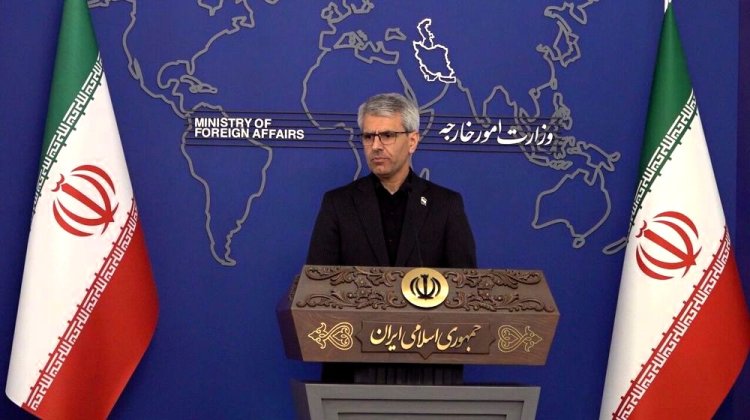
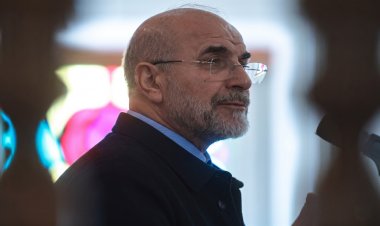
Iran rejected a U.S. naval blockade as impossible and illegitimate, warning it breaches the fragile ceasefire and could prompt proportional military responses. Foreign Ministry spokesman Esmail Baghaei called U.S. interdiction of Iranian ports provocative and argued diplomatic pressure, if unsuccessful, will not be resolved by coercion. He said Iran and its armed forces are monitoring developments and reserved the right to respond where necessary.
Baghaei dismissed foreign intervention in Strait of Hormuz security, asserting Iran—together with regional partners—is capable of safeguarding the waterway and blaming recent disruptions on “US‑Zionist” actions. He warned that states allowing their territory or facilities to be used against Iran have been documented and may bear legal responsibility under international law.
On diplomacy, Baghaei rejected the notion Tehran would accept imposed U.S. conditions in talks mediated by Pakistan, insisting negotiations must protect Iran’s rights and interests; no date has been set for further rounds. He urged regional cooperation independent of U.S. military presence, arguing that foreign forces fuel insecurity and calling on neighbours to refrain from enabling attacks against Iran.